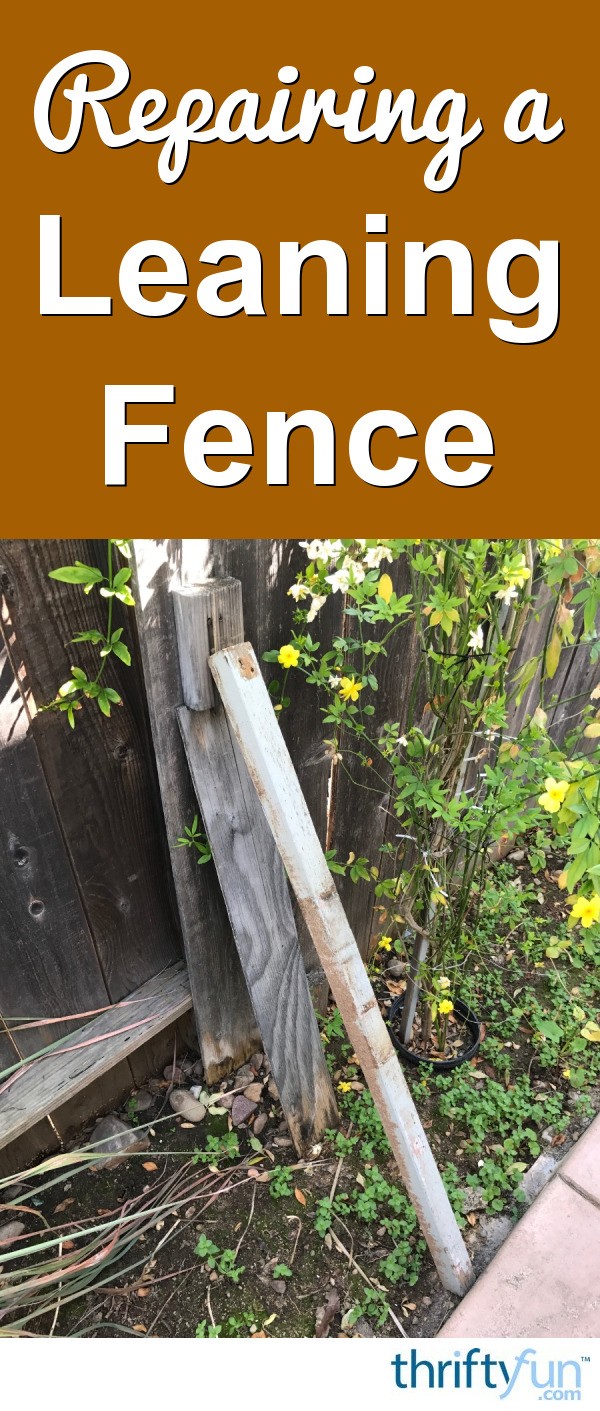

Fence leaning after heavy rain is a common problem, especially in areas prone to storms. This comprehensive guide will delve into the causes of fence leaning after heavy rain, highlighting effective reinforcement and realignment techniques. We’ll explore both DIY solutions and when professional help is necessary. This article will explain everything from identifying the source of the issue to implementing practical repairs, ensuring your fence is safe and secure. We’ll cover techniques for different types of fences, provide cost estimates, and showcase real-world examples. By the end of this guide, you’ll be equipped to understand and address your fence leaning issues.
Understanding the Causes of Leaning Fences After Heavy Rain
Identifying the Culprits
Heavy rainfall can saturate the ground, weakening the soil around fence posts. This weakening is often a key element in fence leaning incidents. The added weight of accumulated water can also cause the ground to shift, leading to uneven support for the fence. Moreover, if the soil is poorly compacted, or if the ground is uneven, the fence is more vulnerable to leaning during storms. Excess moisture can also affect the integrity of the fence posts themselves, potentially leading to structural failure. Furthermore, consider whether the drainage around the fence is adequate. Poor drainage can lead to prolonged saturation and increased soil pressure on the fence.
Reinforcing the Foundation
Evaluating Soil Conditions
Assessing the soil around your fence posts is paramount. If the soil is saturated or has shifted, addressing the foundational issues is crucial for long-term stability. Consider testing the soil for moisture content. If the soil is very soft or poorly compacted, you may need to install additional supports or use different methods to improve the structural integrity of the fence. You’ll need to decide if the soil needs to be properly amended, compacted or if a gravel base is needed. In some cases, installing additional support for the foundation will help significantly.
Related Post : Lawn Turning Brown Despite Watering? What Might Be Going Wrong
Adding Support Systems
Once you understand the soil conditions, you can determine the most effective support system. Adding additional support, like concrete footings or metal supports is often a good option. If the soil is too saturated, consider using treated wood or metal to prevent deterioration of posts over time. Remember that specific reinforcement measures depend on the type and material of your fence and the extent of the damage.
Realigning the Fence
Assessing the Extent of Damage
Thorough assessment is essential to determine the extent of the damage and the most effective realignment strategy. Consider the angle of the leaning fence and the distance it’s moved from its original position. Taking photos of the fence before and after the repair helps to track the progress and measure the needed adjustments to your fence. Inspect the integrity of the fence boards, posts, and fasteners for any signs of rot or damage that might affect the realignment process. Understanding the total extent of the damages helps assess the severity and best possible solution.
DIY vs. Professional Help
DIY Solutions
For less severe leanings, DIY solutions are often possible, saving time and money. If your fence is only slightly leaning, you can try adjusting the supporting posts to counteract the angle and improve the fence structure. Make sure you have the appropriate tools and materials on hand, as well as access to the proper safety gear.
When to Call Professionals
More complex leaning problems or significant damages after heavy rains may demand professional expertise. Professionals can provide assessment, accurate diagnoses, and implement the most effective realignment strategies that are tailored to your specific fence type and problem. This often includes handling complex or extensive damage. A professional can also advise on the most cost-effective and durable solutions.
Additional Tips
Preventing Future Damage
Improving drainage and using strong materials will help prevent future leaning problems. Installing proper drainage systems around the fence can prevent prolonged saturation. Using high-quality materials can also make a significant difference to the longevity of your fence. Regularly inspecting your fence for signs of leaning or damage, especially after storms, is important for maintaining its structural integrity. Inspecting the fence can also provide an early warning system to prevent larger problems down the road.
How much does it cost to reinforce a fence after heavy rain damage?
Reinforcement costs vary depending on the extent of the damage, the type of fence, and the materials used. DIY solutions can be inexpensive, whereas professional services can be more expensive. The cost of labor and materials should be considered when creating a budget. Thorough assessment of the damage and consultation with professionals is highly recommended to help determine a comprehensive plan and cost.
What are some signs that my fence needs reinforcement?
Signs that your fence needs reinforcement may include leaning or tilting of the fence, gaps or cracks in the structure, damage to posts or boards, and sagging or drooping. Pay attention to any changes in the fence’s appearance after a storm or heavy rainfall, as these issues can significantly affect the longevity of your fence.
Can I repair a fence myself or do I need a professional?
For minor damage, simple repairs are possible through DIY techniques. For major damage or structural issues, professional help is often necessary for a safe and efficient repair. A professional contractor can evaluate the damage and recommend appropriate solutions for your situation, ensuring the structural integrity of the fence.
In conclusion, reinforcing and realigning fences after heavy rain is crucial for property protection and safety. By understanding the causes of leaning fences, employing appropriate reinforcement methods, and seeking professional help when necessary, homeowners can prevent further damage and ensure the longevity of their fence. Follow the steps outlined in this guide to effectively repair and maintain your fence. For detailed information on materials, visit our site!