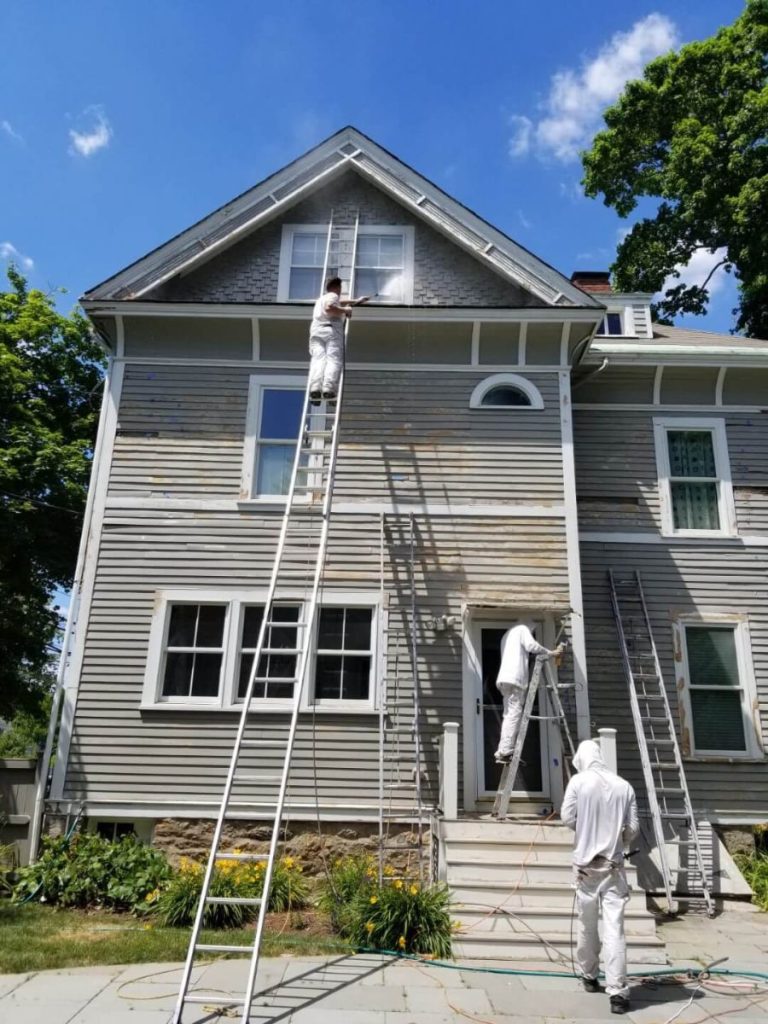
Exterior paint peeling quickly can be a frustrating and costly problem. Understanding the causes and implementing proper surface preparation is key to preventing premature paint failure and maintaining the curb appeal of your home. This comprehensive guide will delve into the common causes of exterior paint peeling, focusing on surface preparation techniques that guarantee a long-lasting and beautiful finish. We’ll explore various factors contributing to peeling, ranging from environmental elements to paint quality and application errors. Following a step-by-step guide on surface preparation ensures you achieve lasting results. This article is structured to cover these topics: identifying causes, choosing the correct paint, and preparing the surface thoroughly.
Understanding the Causes of Exterior Paint Peeling Quickly
Environmental Factors Affecting Exterior Paint
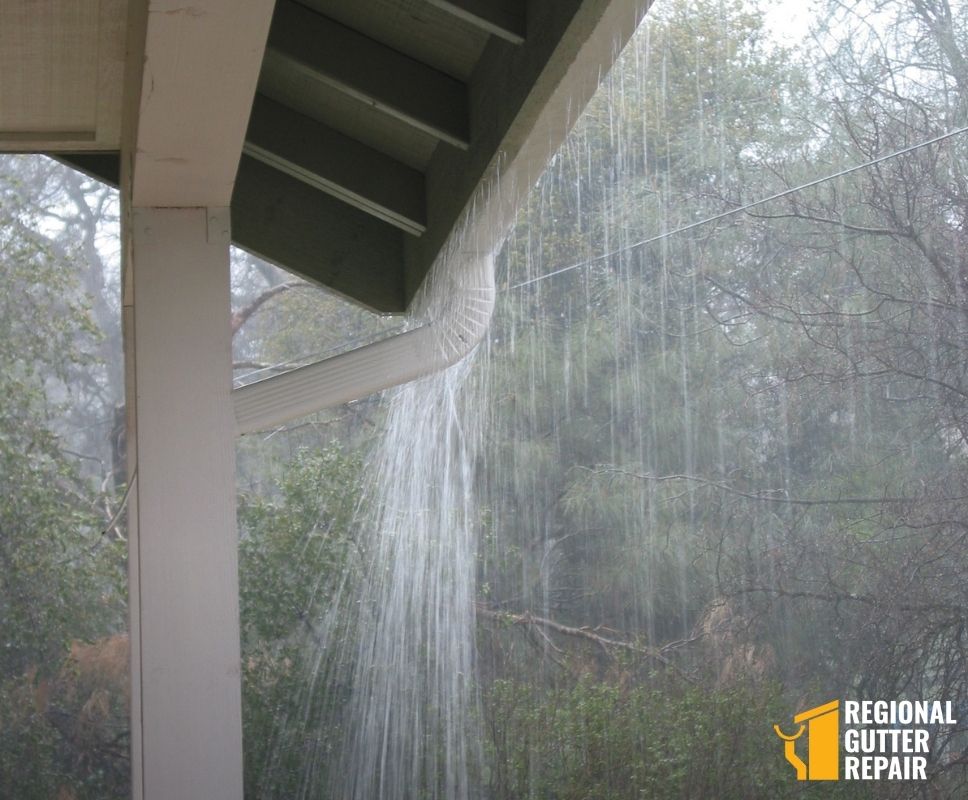
Exterior paint peeling can be attributed to a variety of factors, foremost among them environmental conditions. Extreme temperatures, both hot and cold, can affect the paint’s adhesion and cause it to crack and peel. Sudden temperature fluctuations can make the paint shrink and expand, weakening the bonds between the paint layers and the surface. Excessive moisture, such as heavy rain or prolonged exposure to humidity, can also lead to peeling. Moisture can penetrate the paint and cause it to swell or become waterlogged, leading to blistering and eventually peeling. The effects of prolonged sun exposure can cause deterioration, leading to cracked, brittle and peeled paint. For example, in areas with high UV exposure, the paint might become brittle over time, leading to premature peeling.
Quality of Paint and Application
Choosing the Right Paint for Your Exterior
The quality of the paint itself plays a critical role in its longevity. Poor-quality paint may not adhere properly to the surface, leading to peeling issues. Using the wrong type of paint for the climate or surface conditions can also contribute to paint failure. For example, using a paint not designed for humid climates or one that isn’t appropriate for stucco or wood might result in paint that peels or blisters quickly. Also, improper application, such as inadequate preparation, can significantly affect the paint’s lifespan. Applying paint in layers of inconsistent thickness will create surfaces that cannot properly adhere to each other and can fail if one of the surfaces isn’t properly prepared.
Related Post : Roof Leaks Developing After Storms? How to Identify and Repair Quickly
Crucial Surface Preparation Techniques
Thorough Cleaning and Removal of Old Paint
Proper surface preparation is paramount to achieving a long-lasting paint job. Thorough cleaning and the complete removal of old paint are essential to ensure that the new paint adheres well. Loose or damaged paint should be meticulously scraped or sanded down to make sure that the surface is adequately receptive to the new coat. Any imperfections, such as holes, cracks, or gaps in the surface must be addressed to ensure that the paint adheres to the surface correctly. Consider using specialized cleaning solutions for better results. For example, a pressure washer can effectively remove dirt, debris, and loose paint, preparing the surface for the new coat.
Repairing Cracks and Holes in the Surface
Primer Application for Optimal Adhesion
Fixing cracks and holes in the surface is critical. Cracks and holes, if left unaddressed, can lead to gaps in the paint’s adhesion, eventually resulting in peeling. These imperfections must be properly filled and smoothed out using appropriate patching compounds, carefully following the manufacturer’s instructions to ensure proper drying and curing times before applying the final paint coat. Proper filling is essential to ensure the integrity of the surface and the new paint. Using a high-quality primer to create a smooth and level base is also critical to ensure that the paint adheres evenly and effectively. A quality primer will ensure that the paint adheres well to any surface, including wood, metal, or concrete.
Maintenance and Prevention Strategies
Regular Inspections and Addressing Small Issues
Regularly inspecting your home’s exterior paint for signs of peeling or damage is crucial for preventing bigger problems. Any signs of paint failure must be addressed immediately to stop further damage. Addressing small problems early, such as a small patch of peeling paint, can prevent the problem from worsening and affecting larger areas of the exterior walls. Regular upkeep, including cleaning and sealing, helps to maintain the paint’s integrity. For example, cleaning the surface with mild detergents and applying sealant can prevent the accumulation of dirt and moisture, thereby prolonging the life of the exterior paint.
In conclusion, peeling exterior paint quickly is often a sign of underlying issues, such as improper surface preparation, using the wrong paint, or environmental factors. Proper surface preparation, choosing the right paint for the climate, and regular maintenance are crucial for preventing premature paint failure. To get a free quote for professional exterior painting services, contact [Your Company Name] today! We offer comprehensive exterior painting services, ensuring a long-lasting and beautiful finish for your home. Our experts provide personalized advice based on your specific needs and environment, guaranteeing high-quality results. Don’t let peeling paint mar the beauty of your home; contact us now for a free quote and consultation!