
Energy-saving appliances not lowering your bills? This frustrating situation plagues many homeowners. While these appliances promise significant savings, the reality is often quite different. Energy-saving appliances are designed to minimize energy consumption, but various factors can prevent them from achieving their promised results. This comprehensive guide will delve into the reasons why energy-saving appliances might not be lowering your utility bills, offering actionable solutions and insights.
Identifying the Root Cause of High Energy Bills
High utility bills can be a frustrating predicament, especially when you’ve invested in energy-efficient appliances. However, seemingly energy-efficient appliances aren’t always the sole cause of your hefty bills. Several underlying factors can contribute to unexpected energy consumption.
Understanding Appliance Efficiency Ratings
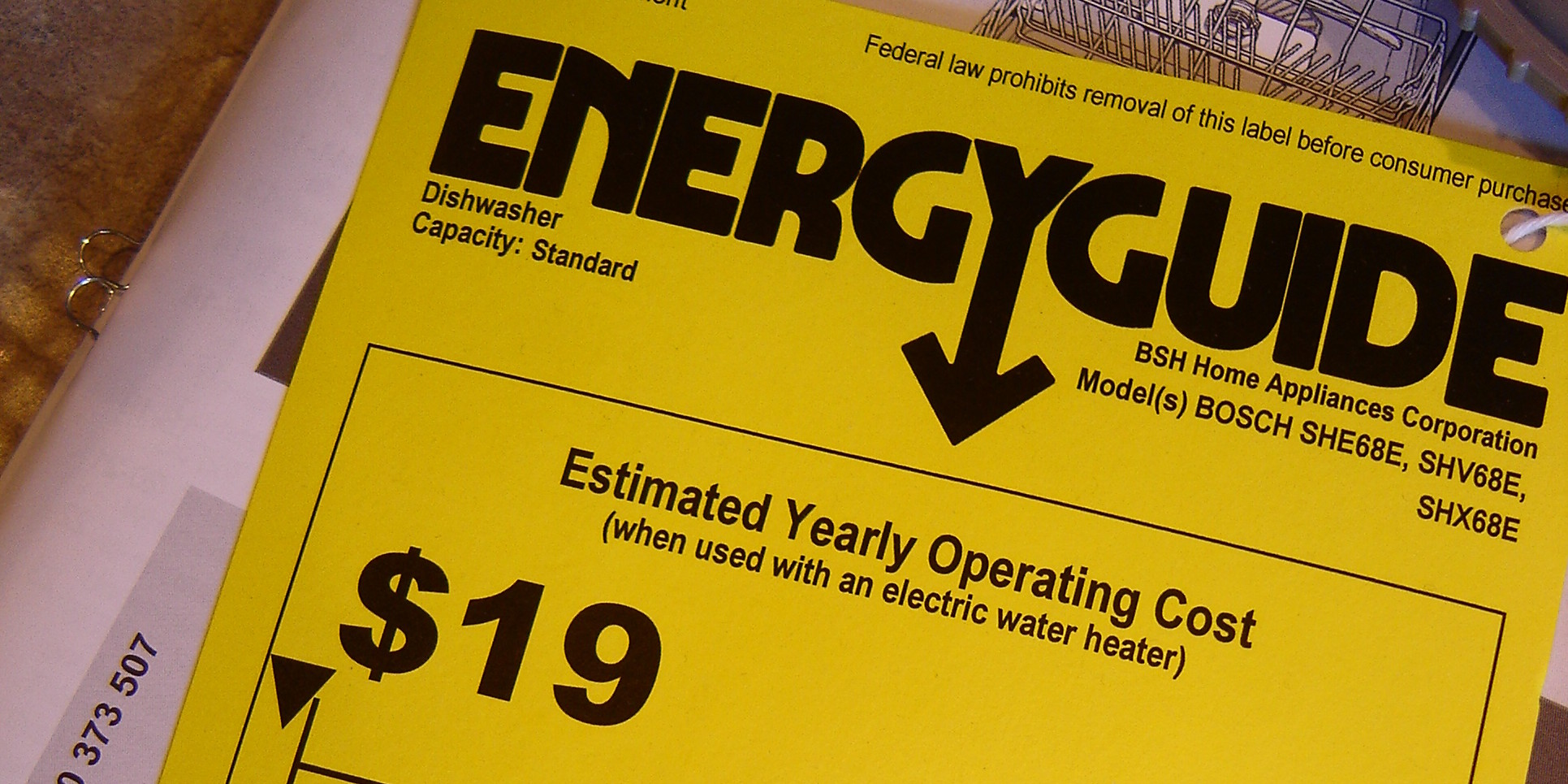
Energy Star Certification and its Importance
Related Post : Recycling System at Home Not Working Efficiently? How to Simplify It
Understanding energy efficiency ratings like Energy Star is crucial in assessing the real-world impact of your appliances. Energy Star certification ensures that the appliance meets specific energy-efficiency standards set by the EPA. Appliances with higher ratings tend to use less energy compared to their non-Energy Star certified counterparts.
Evaluating Your Usage Patterns
Understanding the Impact of Usage Habits
Consider how you use your energy-saving appliances. While an appliance may have an excellent efficiency rating, its performance hinges on your usage patterns. Frequent and prolonged use of an appliance, regardless of efficiency, can lead to substantial energy consumption. This includes factors like the duration of usage and frequency of usage.
Exploring Maintenance and Functionality
The Importance of Routine Appliance Maintenance
Regular maintenance of your appliances is equally important for maintaining their energy-saving capabilities. Appliances that aren’t properly maintained can often become energy guzzlers. Clogged filters, inefficient seals, or malfunctioning parts in your appliances can compromise their energy efficiency and ultimately, impact your utility bills.
Reviewing Energy Consumption Metrics
Tracking Usage with Smart Meters and Software
Advanced energy monitoring tools, like smart meters and energy consumption tracking software, can provide detailed insights into energy usage patterns across your home. These tools can reveal hidden energy consumption hotspots, helping you pinpoint the precise areas where energy is being wasted. By tracking usage over time, you can identify seasonal variations in energy consumption and adjust your usage accordingly.
Checking for Potential Energy Leaks
Identifying and Addressing Energy Leaks in Your Home
Examine your home for potential energy leaks. Unsealed windows, poorly insulated walls, or inadequate weatherstripping can significantly increase your home’s energy consumption, effectively negating the energy-saving benefits of your appliances. Addressing these issues can drastically reduce your energy bills.
Professional Energy Audits for Detailed Analysis
How Professional Assessments Can Help
A qualified energy auditor can perform a comprehensive assessment of your home’s energy consumption patterns. They can identify areas for improvement, from appliance usage to insulation and ventilation, and provide recommendations to reduce energy costs. These recommendations are vital to saving money and conserving energy.
Improving Home Insulation for Efficiency
The Impact of Proper Insulation and Air Sealing
Insulation is a crucial aspect of optimizing your home’s energy efficiency. Proper insulation around windows, doors, and walls minimizes heat loss during colder months and heat gain during warmer months, thereby reducing the energy required to regulate your home’s temperature.
Addressing Electrical Issues for Efficiency
The Role of Electrical System in Energy Consumption
Checking your electrical system for issues like loose wiring, overloaded circuits, or malfunctioning appliances is another important step in optimizing your energy use. An overloaded circuit can contribute to increased energy consumption even when the appliances themselves are energy-efficient, potentially increasing your utility bills and impacting overall energy savings efforts.
In conclusion, energy-saving appliances aren’t always the silver bullet for lower energy bills. A thorough assessment of your energy consumption, appliance efficiency, and overall usage patterns is key to achieving real savings. Consider a professional energy audit if you’re struggling to pinpoint the source of high energy bills despite using energy-efficient appliances. This comprehensive guide armed you with the knowledge to understand your energy consumption and make informed decisions. Take action today and start saving energy!