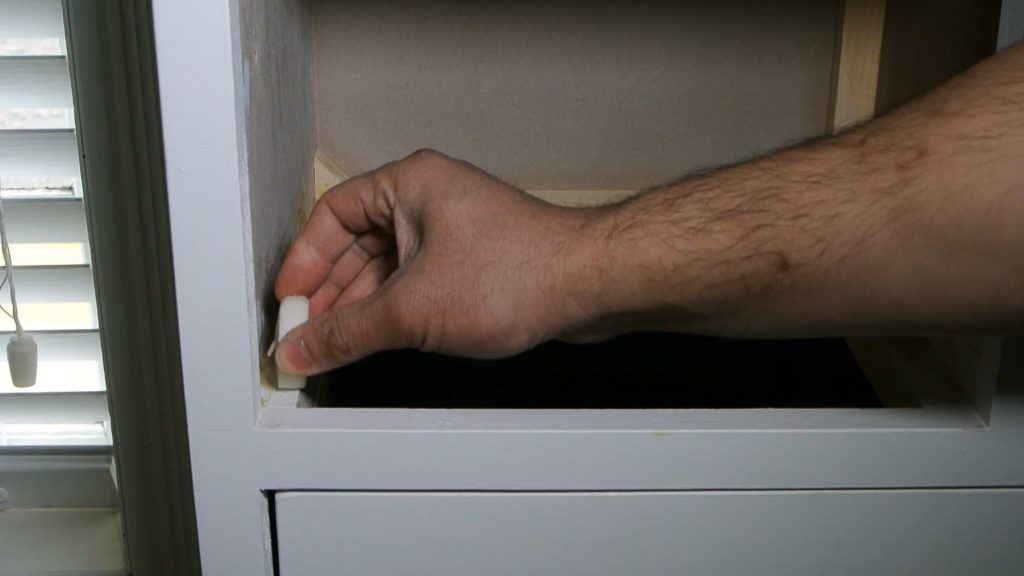
Drawers sticking when pulled is a frustrating household problem, but it’s often easily fixable. This comprehensive guide delves into the causes of sticky drawers and provides practical, DIY repair methods, saving you time and money. We will explore common reasons drawers become stuck, including issues with the drawer runners, hardware, and even the drawer itself. Furthermore, we will share effective solutions to ensure smooth and effortless drawer operation. This article is structured to help you understand the possible causes and guide you through the steps to repair them yourself. Each section will provide a breakdown of the causes, common problems, and solutions.
Understanding the Problem: Why Drawers Stick
Identifying the Source of the Issue
Drawers sticking when pulled is a common problem that can stem from several factors. The problem isn’t just an inconvenience; it can indicate underlying issues that may escalate if left unaddressed. Frequently, this problem is rooted in the components directly associated with drawer movement—the runners and the hardware. Loose or damaged hardware, worn-out or misaligned drawer slides can be culprits behind your sticky drawers. Also, sometimes the issue stems from obstructions or an imbalance of weight within the drawer. For instance, excessive clutter or heavy items loaded in the drawer can add strain on the runner mechanism. Moreover, if the drawer has accumulated dirt, dust, or debris, it can cause friction between the sliding parts, resulting in the sticking problem.
Common Drawer Problems and Their Causes
Related Post : Wooden Table Wobbling Constantly? Simple Fixes to Stabilize It
One of the most common culprits for sticky drawers is worn-out or misaligned drawer runners. These runners are crucial in allowing smooth and effortless movement. Over time, use can cause these runners to become loose or misaligned, reducing their efficiency. This can also manifest when the drawers are loaded heavily or used frequently, thus increasing stress on the runners. Other culprits include old or faulty drawer hardware, such as the knobs, handles, and the tracks. These elements play a role in the drawer’s movement, and if they are not properly aligned or have been damaged, they can impede smooth movement. Ultimately, you should consider potential issues, like buildup of residue or debris, which causes unwanted friction when the drawer is pulled.
Diagnosing the Problem: Pinpointing the Cause
Inspecting Drawer Runners
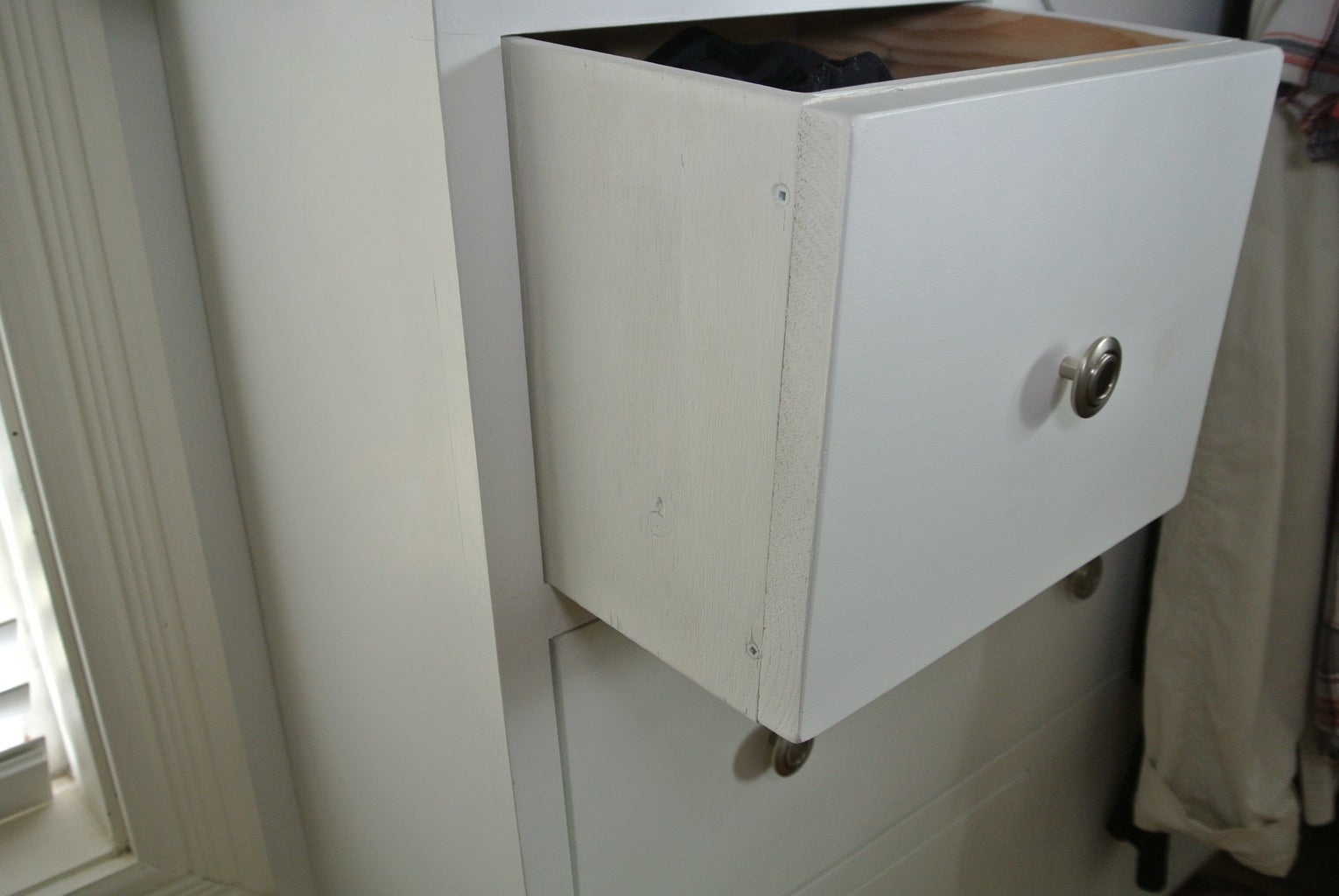
Begin by inspecting the drawer runners—the tracks that guide the drawer. Look for signs of damage or wear. Are there any bent, broken, or loose components? If the runners are loose, they may not be properly aligned with the corresponding tracks and this will prevent the drawer from sliding smoothly. Look for obstructions or debris that may be hindering the drawer’s movement. Check for any signs of excessive wear or unusual bends in the runners. Do you feel any roughness or noise when sliding the drawer? Sometimes the runners are bent or slightly damaged from being overused or subjected to excessive force. These subtle irregularities could be a contributing factor to your sticky drawer problem. Note any inconsistencies and address them before moving on to the next step.
Checking Hardware and Tracks
Next, assess the drawer hardware and tracks. Are the knobs or handles loose or misaligned? Are there any obstructions in the tracks themselves? Look for any loose screws or hardware that may be interfering with the drawer’s movement. Check the stability of the knobs and handles; if they are loose, they could potentially be hindering the smooth operation of the drawer.
Assessing Drawer Contents
Finally, consider the contents of the drawer. Are they unevenly distributed, or are there excessive items that may be putting undue stress on the drawer mechanism? Sometimes, heavy or awkwardly placed items can also lead to sticking. Try to evenly distribute the weight to see if this makes a difference.
Simple Repair Methods: Quick Fixes for Sticking Drawers
Lubrication
Lubricating the drawer runners and hardware is often a simple and effective solution. Apply a small amount of lubricant, such as WD-40 or silicone spray, to the runners and tracks. Ensure that you do not over-lubricate, as an excess can attract dust and debris, potentially leading to the issue returning soon. Apply a thin layer and allow the lubricant to soak in for a few seconds before gently pulling the drawer open and closed a few times to ensure smooth operation.
Adjustment and Realignment
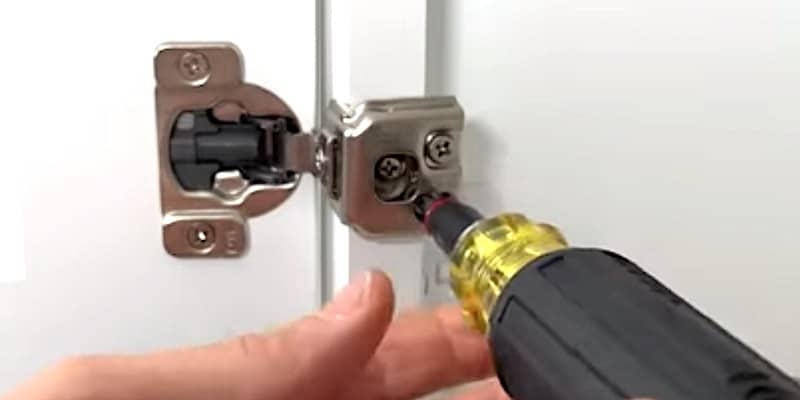
If the runners are slightly misaligned, try adjusting them. Ensure that the drawer runners are properly aligned with the tracks for optimal sliding action. Tighten loose screws or hardware, and ensure all components are properly assembled. In some cases, you may be able to gently manipulate the drawer runners to realign them with the drawer tracks. In this way, you can address any misalignment that has built up over time, leading to the sticking issue.
Cleaning
Remove any obstructions or debris, such as dust, dirt, or excess lubricant, from the drawer runners. This is another simple way to deal with sticking drawers, and can quickly resolve the problem. If any foreign objects such as small pieces of metal or screws are preventing the smooth movement of the drawer, address this issue by removing the foreign objects. Thoroughly clean the drawer runners, hardware, and the drawer itself to ensure that any foreign matter does not disrupt the movement again.
Advanced Repair Options: Addressing More Persistent Issues
Replacing Drawer Runners
If the problem persists after attempting simpler solutions, you may need to replace the drawer runners. This might be a good choice if the runners are damaged or excessively worn. Replacing the runners is a more intricate process, requiring the removal and reinstallation of new runners. Ensure you purchase runners that are compatible with your existing drawer system. Refer to the manufacturer’s instructions or consult a professional if unsure about the procedure.
Professional Intervention
In certain situations, especially for intricate or vintage cabinetry, professional assistance from a carpenter or cabinetmaker might be necessary. They may have the expertise and specific tools to diagnose the problem and propose solutions, such as replacing components or making adjustments as needed. If you suspect a more significant issue, consider seeking a professional’s expertise to determine the best course of action. They possess valuable insights into addressing more complex drawer systems.
Reinstalling the Drawer
After completing the necessary maintenance or repair to the runners and hardware, reinstall the drawer carefully. Verify that the drawer slides into its frame properly and that the hardware functions efficiently. Ensure the drawer is seated correctly within its tracks for optimal performance. Take your time during this step; this will ensure that the drawer is functioning optimally.
Prevention Strategies: Keeping Drawers Smoothly Sliding
Regular Maintenance
Regular maintenance can help prevent drawers from becoming sticky. Regularly inspect the drawer runners and hardware for wear and tear. Ensure that they are properly lubricated and aligned, which will help prevent them from becoming stuck. The smooth movement of your drawers relies on regular lubrication and alignment. With consistent maintenance, you can keep your drawers moving freely, minimizing future repair needs.
Proper Loading
Distribute the weight evenly within the drawer to avoid undue stress on the runners. Avoid overloading the drawer with heavy items or putting them in an uneven manner. This will allow the drawer to operate smoothly without causing damage or straining the drawer system. Ensure the drawer isn’t overloaded, as this can contribute significantly to the issue.
Q2: How can I prevent my drawers from sticking in the future?
A2: You can prevent your drawers from sticking in the future by regularly performing routine maintenance checks on the drawer runners and hardware. Apply lubricant to the parts as needed and ensure that the drawer slides smoothly along the runners. Clean out any accumulated dust or dirt to ensure that friction does not occur. Also, distribute the weight evenly within the drawer, avoiding overloading or uneven loading. This proactive approach to drawer care can help prevent sticking and maintain smooth operation.
Q3: Can DIY methods solve all drawer sticking issues?
A3: Many drawer sticking issues can be successfully tackled with DIY methods. Simple fixes like lubrication, adjustments, and cleaning can often resolve the problem. However, some more complex issues, such as damaged runners or structural problems, may require professional intervention. If the problem persists after trying DIY solutions, it might be time to consult a qualified carpenter or cabinetmaker to diagnose the problem and address the situation more effectively.
Q4: How frequently should I lubricate my drawer runners?
A4: The frequency of lubricating your drawer runners depends on how frequently you use them and the material they are made of. In general, lubricating them every 3-6 months, or whenever you notice any sticking, should suffice for average use. This regular maintenance will keep the drawer parts in optimal working order.
In conclusion, drawers sticking when pulled is a common problem with several potential causes, ranging from simple adjustments to more complex repairs. By understanding the root causes and implementing the suggested solutions, you can easily resolve this issue and enjoy smooth, effortless drawer operation. For more complex sticking issues, professional help from a carpenter or cabinetmaker may be necessary. Remember to always prioritize safety and take necessary precautions when working with tools and materials. If you are unsure about any step, consult a qualified professional.