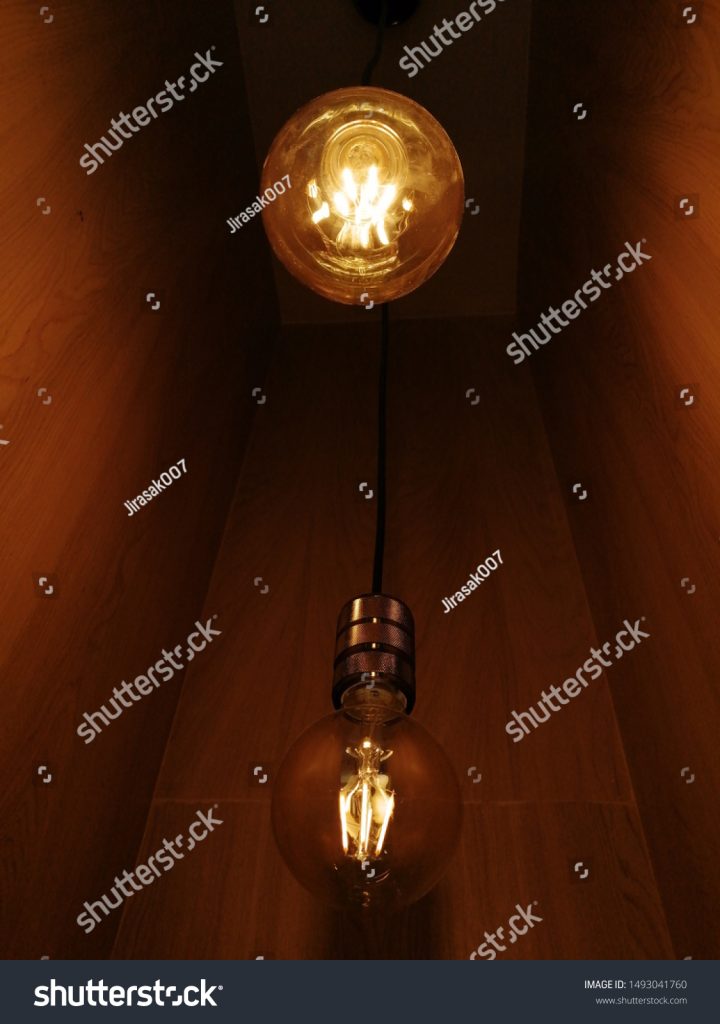
Dim lighting can significantly impact our ability to perform tasks effectively and comfortably. This article explores the challenges associated with dim lighting and provides actionable strategies for increasing brightness and improving your workspace’s functionality. We’ll delve into different aspects of lighting, including types, placement, and control. Furthermore, we’ll explore the impact of dim lighting on various tasks, emphasizing strategies for optimal illumination in different environments. Finally, we’ll touch upon the importance of balance between brightness and comfort.
Understanding the Impact of Dim Lighting on Productivity
The Dark Side of Dimming
Dim lighting, while seemingly practical for saving energy, often becomes detrimental to productivity. Poor visibility can cause eye strain, headaches, and ultimately, reduce concentration. Studies have shown a correlation between inadequate lighting and decreased efficiency across various work environments, from offices to homes. A well-lit environment is crucial for clear vision and mental focus, improving accuracy and efficiency of daily activities. Consider the impact of light on your mood and concentration levels to maximize productivity.
Enhancing Brightness Efficiently
Selecting the Right Lighting Type
Choosing the appropriate lighting type is paramount. Incandescent bulbs, while warm and inviting, often lack the brightness necessary for focused tasks. LED bulbs are a more efficient alternative, providing ample brightness without excessive heat output. Energy-efficient options like dimmable LED lights offer flexible brightness control, essential for adjusting to varying needs and minimizing energy consumption. Strategic placement can significantly enhance the impact of your chosen lighting sources.
Related Post : Light Fixtures Flickering Intermittently? Troubleshooting Electrical Causes
Optimizing Lighting Placement and Distribution
The Role of Strategic Placement
The placement of light fixtures plays a crucial role in creating a well-lit workspace. Avoid placing lights directly above workstations, as this can cast harsh shadows. Instead, use a combination of ambient and task lighting. Ambient lighting provides general illumination, while task lighting focuses light directly on the area where tasks are being performed. Consider using recessed lighting, wall sconces, or pendant lights for a balanced lighting solution.
Implementing Effective Dimming Techniques
Controlling Brightness Levels
Dimmable lights offer a significant advantage in creating adaptable lighting environments. Dimming allows for adjusting brightness levels according to the time of day or the specific task at hand. Adjusting lighting levels, when possible, creates a more comfortable environment. For instance, in a home study, you might want brighter lights while working and softer lights while relaxing. Controlling the amount of light can optimize concentration levels in various tasks.
Considering Individual Needs and Preferences
A Personalized Approach to Lighting
Lighting preferences vary significantly depending on individual needs and preferences. Some individuals may find bright lights overwhelming, while others require brighter lighting for better focus. Creating a lighting solution that accommodates a variety of tasks and preferences is key to creating a well-balanced, well-lit environment. Consider consulting an interior design professional or lighting expert to personalize your lighting solution for optimal well-being.
How can I determine the optimal brightness level for my workspace?
Experimentation is key! Start by assessing the lighting levels in various parts of the room or workspace to identify areas requiring additional light. Gradually adjust the brightness levels using dimmer switches or adjustable light fixtures until the desired level of comfort and clarity is achieved.
Are there any specific lighting recommendations for tasks that require high precision?
Task lighting is crucial for tasks requiring high precision. Focus on directly illuminating the work area with targeted lights, such as a desk lamp, while ensuring adequate ambient light for the surrounding workspace to maintain an even brightness level.
Are there any specific safety considerations when using dimmable lights?
Consult the manufacturer’s instructions for safety guidelines when using dimmable lights. Be sure to use dimmable LED bulbs or other appropriate lighting fixtures and follow any recommendations for reducing the risk of hazards. Always check compatibility before installation.
What are some additional tips for creating an effective lighting design?
Consider the color temperature of the light. Warmer tones might be suitable for relaxation, while cooler tones might be preferred for tasks requiring focus and clarity. A mix of different light types can enhance the aesthetic appeal while ensuring sufficient brightness for diverse needs.
In conclusion, optimizing dim lighting for easier tasks involves understanding its impact on productivity and well-being. By strategically implementing these brightness improvements, you can create a more comfortable and effective workspace. Remember to consider individual needs and preferences, always prioritizing visual clarity and comfort. For further guidance and to address specific needs, consult with an interior designer or lighting specialist. Ready to illuminate your workspace effectively? Visit our website for more tips and tricks!