Deck around pool getting slippery? This is a common concern for homeowners with outdoor pools. A slippery pool deck poses a significant safety risk, increasing the chance of slips, trips, and falls, especially for children and elderly individuals. This thorough guide offers crucial insights into determineing the causes of slippery pool decks and offers practical solutions to improve traction and create a safer environment for everyone. This article will delve into various methods, from simple maintenance to advanced solutions, to ensure your pool deck is safe for enjoyment. The structure will cover the common causes, effective solutions, and ultimately, creating a safe environment around the pool.
determineing the Causes of a Slippery Pool Deck
Common Contributing Factors
Slippery pool decks often stem from a combination of factors, including environmental conditions, material degradation, and improper maintenance. Exposure to moisture, especially during rain or pool use, is a significant culprit. This moisture can lead to surface buildup and reduce the grip of the deck surface. Similarly, accumulated dirt, debris, and chemicals can affect the texture and reduce friction. Additionally, aging materials like concrete or certain types of decking can deteriorate over time, losing their original slip resistance. The accumulation of algae or mildew can also create a slick layer on the surface.
Assessing Your Deck
A thorough inspection is crucial for pinpointing the root cause of the slipperiness. Carefully examine the surface for any visible damage, such as cracks, uneven surfaces, or loose tiles. Check for any buildup of dirt, grime, algae, or mildew. Notice if the material is wearing down. Observe how moisture collects on the deck and whether or not it drains quickly. If you notice issues, address them promptly to prevent accidents.
Implementing Effective Solutions
Related Post : Pool Water Turning Green Overnight? Causes and How to Clear It Fast
Improving Surface Traction
One of the most effective solutions for enhancing traction on a pool deck is to use slip-resistant materials. This often involves applying specialized coatings, such as epoxy or polyurethane. These coatings create a more textured surface, improving friction and preventing slips. Consider using non-slip paint or other suitable additives to improve traction and prevent accidents around your pool. Additionally, consider using specialized decking materials that are inherently designed with better slip resistance in mind.
Maintaining a Safe Pool Deck
Regular Cleaning and Maintenance
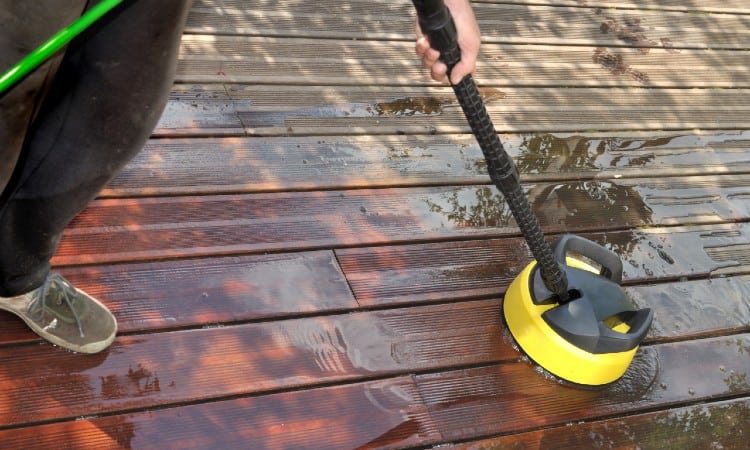
Regular cleaning and maintenance are essential for preventing a slippery pool deck. This involves consistently cleaning the deck to remove dirt, debris, and any residue from pool chemicals. Use a strong cleaner or pressure washing to thoroughly remove these build-ups. Pay special attention to areas where water tends to accumulate. Ensuring proper drainage is also essential; a properly sloped and maintained drainage system can prevent water from pooling and creating a slippery surface. If there are cracks, consider filling them with appropriate sealant to prevent water buildup.
Advanced Solutions and Considerations
Professional Consultation
In cases of severe slipperiness or extensive damage, consulting a professional is highly recommended. A qualified contractor can assess the deck’s condition and recommend the most appropriate solutions, such as resurfacing or complete replacement. They can offer tailored advice based on the specific materials and conditions of your deck. Professional assessments can ensure the safety of your pool area and address the source of the issue.
Pool Deck Safety Tips
Preventing Accidents
Installing handrails and grab bars can dramatically improve safety for older adults or individuals who may have trouble maintaining their balance. Always ensure adequate lighting around the pool deck, particularly at night. Posting visible warning signs can remind individuals to be cautious around the pool area. Incorporate non-slip pads or mats around steps or other potential hazard areas. Keep pool area clear of clutter, including toys or equipment that may create tripping hazards.
Q: How often should I clean my pool deck to prevent slipperiness?
A: Regular cleaning, ideally after each pool use, is crucial to prevent the build-up of debris and chemicals that can contribute to slipperiness. This routine cleaning should include removing dirt, debris, and any pool chemical residue. Regular maintenance, including addressing drainage issues, is also crucial.
Q: What are some simple and affordable strategies to improve pool deck traction?
A: Several simple and affordable strategies for improving pool deck traction include applying slip-resistant coatings, using non-slip mats, and ensuring proper drainage. These strategies are usually effective and cost-efficient alternatives to more extensive repairs or replacements, such as professional resurfacing.
In conclusion, ensuring safe footing around your pool deck is paramount. By implementing these strategies, you can drastically reduce the risk of slips and falls. Consider professional assessments for complex scenarios, and remember to prioritize regular maintenance for lasting safety. Visit our website for more pool safety tips and expert advice.