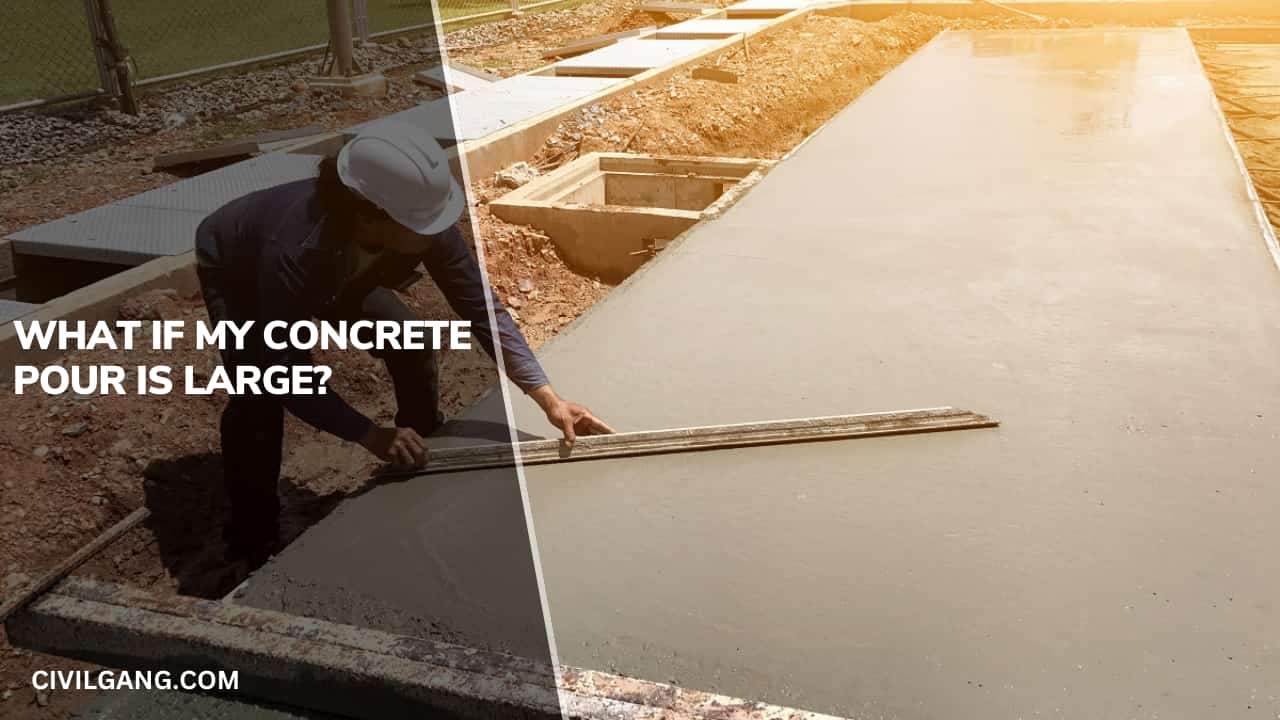
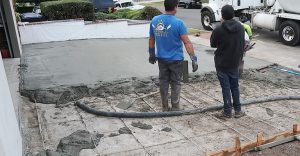
Concrete forms leaking during pouring can be a major headache for construction projects, causing delays, boostd costs, and potential quality issues. Preventing these leaks is crucial to project achievement and minimizes disruption to the schedule. This article explores the reasons behind concrete form leaks during the pouring process, outlining quick measures to control them and ensure a smooth pour. We will delve into the causes, offer practical solutions, and offer tips for proper concrete form design and maintenance. This guide’s structure includes: determineing the common causes of leaks, preventative measures, troubleshooting techniques, and concrete placement strategies.
Understanding the Causes of Concrete Form Leaks
Concrete form leaks during pouring are often the outcome of various factors, impacting the quality and consistency of the finished concrete. Recognizing these causes is the first step towards effective leak control. Improper form design, inadequate form bracing, and poor construction techniques contribute significantly to leaks.
Inadequate Form Design:
A poorly designed form, with insufficient support or joints, can lead to gaps and cracks that allow concrete to leak. This is often related to poor planning and inadequate consideration for the concrete’s flow characteristics. A thorough understanding of concrete flow patterns is essential for proper form design. Issues in the form’s material or construction process can also lead to cracks and gaps.
Related Post : Improper Grading Around Home? Impact on Stability and Drainage
Inadequate Form Bracing and Support:
Insufficient bracing of the formwork compromises its structural integrity. This is critical when pouring large volumes of concrete or when dealing with complex form shapes. Weak bracing can deform the forms, causing cracks and allowing concrete to escape. Proper structural examination and engineering considerations are necessary for robust bracing systems to prevent deformation.
Improper Construction Techniques
Construction errors like insufficient sealing or gaps in the formwork can lead to leakage. Ensuring the integrity of all seams and joints is essential to maintain concrete containment.
Substandard Materials:
Low-quality materials, such as weak plywood or inadequate sealant, can impact the forms’ ability to retain concrete. Using appropriate materials with the required strength and water resistance is vital to prevent leakage.
Preventative Measures to Control Concrete Form Leaks
Implementing preventative measures during the design and construction stages can significantly reduce the likelihood of concrete form leaks. These strategies can contribute to creating a robust and reliable formwork system.
Accurate Form Design and Construction:
Employing detailed form design that accounts for concrete flow, vibration, and shrinkage is paramount. This may require advanced structural examination to anticipate potential issues.
Rigorous Quality Control:
Implementing strict quality control measures, including inspections throughout the construction process, ensures every step adheres to the specifications. Checking for gaps, cracks, and ensuring proper sealing is critical. Regular inspections can help determine potential issues early.
Proper Formwork Support:
Robust formwork support is essential for maintaining its integrity during the pouring process. Using adequate bracing and shoring ensures the forms resist pressure and maintain their shape. This involves a rigorous assessment of the load distribution.
Employing Advanced Materials
Investing in high-quality materials, like reinforced plywood or specialized sealants, will enhance the structural integrity and prevent leaks. This includes materials with the correct moisture resistance to prevent early leakage issues.
Troubleshooting Techniques for Concrete Form Leaks
determineing and addressing leaks promptly is essential for minimizing delays and defects in the concrete structure. Effective troubleshooting relies on recognizing the type of leak, its location, and its cause.
determineing the Nature of the Leak:
Pinpointing the location of leaks is the first step. Leaks can scope from small cracks to significant openings. Investigate the source of the leak and determine the contributing factors for more targeted solutions. Visual inspection and pressure testing of the formwork will help in this stage.
Immediate Actions to Prevent Further Concrete Loss:
Implementing immediate action is crucial to halt further concrete loss. This often includes temporary solutions like patching or sealing the leak. This ensures minimal disruption to the pouring process and prevents significant material loss.
Understanding the Root Cause:
Understanding the root cause is critical to preventing future leaks. This often involves re-evaluating the formwork design, construction technique, or material quality.
Concrete Placement Strategies to Minimize Leaks
Proper concrete placement significantly impacts the risk of leakage. Understanding the techniques employed during concrete pouring can greatly reduce these occurrences.
Controlled Concrete Flow:
Controlling the flow of concrete, including using appropriate placement techniques and flow aids, prevents segregation and reduces the likelihood of leaks during pouring. This facet is influenced by the mix design, consistency, and vibration of the concrete. Appropriate techniques and tools are essential in managing concrete flow and preventing leaks.
Proper Vibration Technique:
Utilizing proper vibration techniques minimizes the potential for voids and ensures that the concrete fills the formwork completely. This helps to compact the concrete, filling all areas without leaving gaps or pockets. This reduces the chance of leaks and ensure a high-quality final concrete structure.
Maintaining Consistency:
Maintaining a consistent concrete mix is critical for efficient pouring. Varying the mix ratios or the addition of admixtures without careful consideration can lead to consistency issues and boost the chance of leaks.
Prevention Through Proper Formwork Maintenance
Maintaining the condition of the formwork throughout the construction process is crucial to prevent leaks. Regular inspections and timely repairs will drastically reduce leakage.
Regular Inspections and Maintenance:
Regular inspections and maintenance procedures allow for immediate detection and repair of any cracks or gaps that appear in the formwork. Early detection of any issue reduces the potential for serious complications during the pouring process.
Addressing Formwork Issues in a Timely Manner:
Addressing formwork issues promptly prevents the degradation of the formwork, extending its lifespan and minimizing the potential for leaks during pouring. A well-maintained formwork system helps to maintain the integrity of the concrete.
Additional Tips
To ensure maximum efficiency and minimize leakage, there are a few additional points that should be considered.
Pre-pouring inspection
Conduct a thorough inspection of the formwork prior to pouring to determine and correct any potential issues, including gaps or cracks.
Post-pouring inspection
Thorough inspections of the finished concrete structures should be performed after pouring to promptly determine and rectify any leaks.
Monitoring
Continuously monitoring the formwork for leaks will help in taking immediate corrective actions.
Expertise
Seeking professional advice from experienced contractors or engineers can offer crucial insights and guidance for tackling leak issues.
Data and Statistics
Data and statistics on concrete form leaks can help to refine preventative measures, improve project outcomes, and minimize construction costs. Studies are often available through construction industry associations that could offer further insights.
In conclusion, concrete forms leaking during pouring can be a serious issue, but proactive measures can prevent costly repairs and delays. Understanding the causes, implementing preventative strategies, and quickly addressing any leaks can save time and money. By following the steps outlined in this article, you can minimize the risk of concrete form leaks. Remember to prioritize proper form design, concrete placement techniques, and timely leak detection and repair. Contact a professional concrete contractor if you encounter ongoing issues for further assistance.