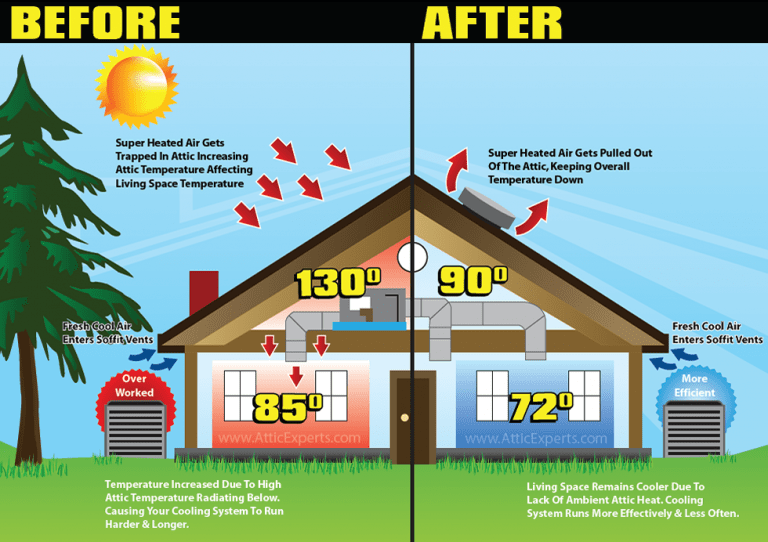
Attic overheating in summer is a common problem that leads to uncomfortable living conditions and boostd energy bills. Many homeowners struggle to keep their homes cool during the hottest months of the year. Attic overheating occurs when the attic space absorbs excessive heat from the sun and surrounding environment. This trapped heat rises into the house, making it uncomfortable and requiring more energy to cool. Understanding the causes and finding effective solutions is crucial for maintaining a comfortable and energy-efficient home during summer. This article delves into the causes of attic overheating and offers practical tips for implementing ventilation solutions that reduce heat and create a cooler living environment. We’ll explore various ventilation strategies, from natural methods to mechanical systems, and offer you with valuable information to make informed decisions for your home.
Understanding Attic Overheating
The Science Behind Attic Heat
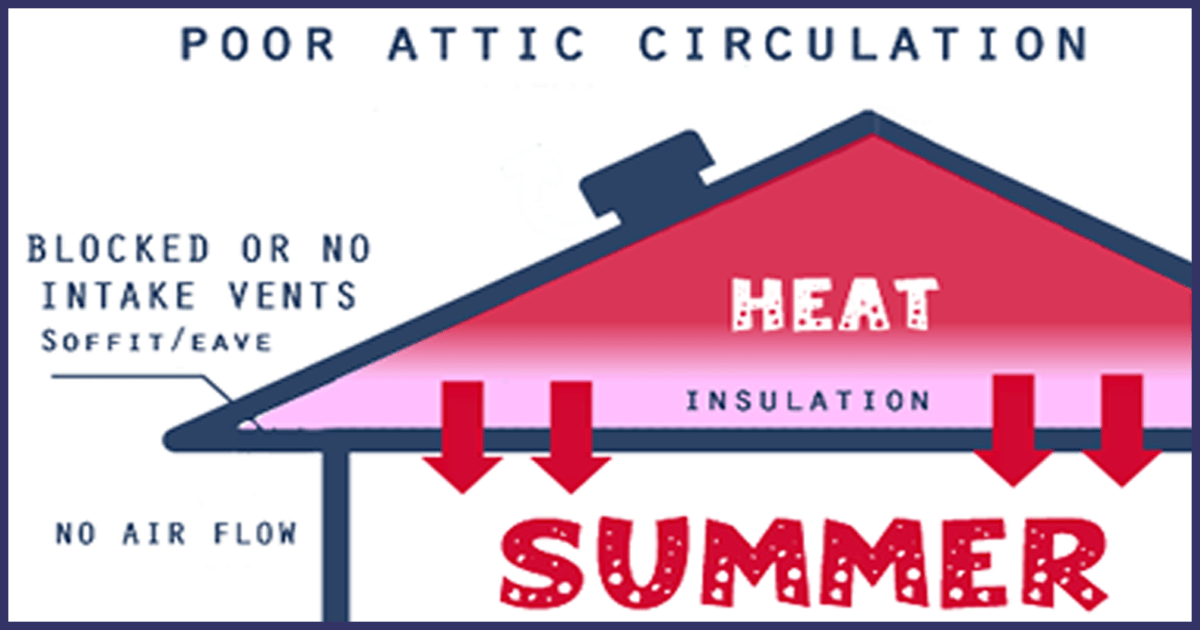
Attics are particularly vulnerable to heat buildup in summer due to their location and construction. Sunlight directly heats the roof, and this absorbed heat radiates into the attic space. The lack of airflow further contributes to the problem. The heat is then transferred to the living spaces below, leading to higher temperatures in the house, boostd energy application of cooling systems, and general discomfort. Understanding these mechanisms is the first step to finding effective solutions. This problem is further complicated by poor ventilation, which prevents the escape of the heated air.
Contributing Factors
Related Post : Electric Bills Keep Rising? Hidden Home Issues You Might Be Missing
Several factors can exacerbate attic overheating. Poor insulation on the roof and in the attic significantly reduces its ability to trap and contain heat, which directly impacts the ability to efficiently manage temperatures in the home. Insufficient or faulty attic ventilation systems further compound this issue, creating a trapped-heat effect. Another contributing factor is inadequate insulation in the walls and roof, especially if these elements are not properly sealed.
Natural Ventilation Strategies
Utilizing Passive Ventilation
Natural ventilation techniques can effectively reduce attic heat without relying on electricity. This is often the most affordable and environmentally friendly method. Installing attic vents strategically and ensuring proper airflow is key. High-performance insulation helps to retain and control internal temperatures. A properly ventilated attic will allow for a natural and continuous airflow, drawing out the heat during the day, and replacing it with cooler air during the night. One crucial element is ensuring that there are proper roof vents and soffit vents to allow for a consistent exchange of air.
Designing for Airflow
Proper attic design and construction are paramount for natural ventilation. The use of louvered vents can help to maximize the intake of cool air. Incorporating solar shading techniques in the attic space may also significantly reduce the amount of heat that is trapped. Such strategies include the strategic placement of trees or the installation of awnings to reduce the amount of sunlight that directly strikes the attic.
Mechanical Ventilation Systems
Exhaust Fans for Optimal Performance
Mechanical ventilation systems, like exhaust fans, offer efficient solutions for managing attic heat. These systems utilize fans to actively draw out warm air and replace it with cooler air, significantly reducing the temperature of the attic. This helps to maintain the cool temperature in the living space while preventing the buildup of moisture. Regular maintenance and proper installation are essential for maximizing their performance. Ensure the exhaust fan is appropriately sized for the attic and strategically placed to create the optimal airflow possible.
Choosing the Right System
Proper sizing and positioning of exhaust fans is critical. Undersized fans will not effectively move the volume of air needed to cool the attic. Conversely, oversizing the fans can be inefficient and cause unnecessary energy waste. Consider the size and shape of your attic to make an informed decision.
Combining Approaches
In many cases, the most effective approach is to combine natural and mechanical ventilation methods for optimal outcomes.
Additional Tips for Reducing Attic Heat
Roof Insulation
Proper attic insulation plays a pivotal function in preventing heat transfer. High-performance insulation is crucial to maintaining a comfortable temperature within the attic, thereby limiting the amount of heat that’s transferred to the living spaces below. A well-insulated attic space minimizes heat absorption, leading to a significantly cooler home during the summer months.
Regular Maintenance of HVAC Systems
Regular maintenance of your HVAC system is crucial to ensure its optimal performance. A well-maintained system operates more efficiently, preventing heat buildup and ensuring consistent temperature control. This will help your home maintain a cool temperature throughout the house.
Addressing Moisture Concerns
Excess moisture in the attic can contribute to heat retention and potential damage. Proper ventilation is crucial to avoid this issue. Using dehumidifiers, or ensuring the ventilation system is effectively managing moisture and humidity will help.
Measuring the Impact of Ventilation Strategies
Monitoring Temperature Changes
Monitoring temperature changes in the attic and living spaces before and after implementing ventilation strategies is essential. Use a thermometer to assess the temperature difference to understand how the ventilation affects your home. By gathering and examining data you can determine which approaches yield the greatest impact on home temperature.
Assessing Energy Consumption
Tracking energy consumption before and after implementing the strategies will reveal any significant cost savings. Monitoring this data over time can help you understand which methods are the most efficient and offer the optimal return on investment.
In conclusion, Attic overheating in summer is a common issue, but with the right ventilation strategies, you can significantly reduce the discomfort and energy costs associated with a hot attic. By implementing the tips outlined in this article, homeowners can create a healthier and more comfortable living environment while reducing their environmental footprint. To learn more and get personalized advice, schedule a consultation with a qualified HVAC professional. They can assess your specific needs and recommend the most effective ventilation solutions for your home.