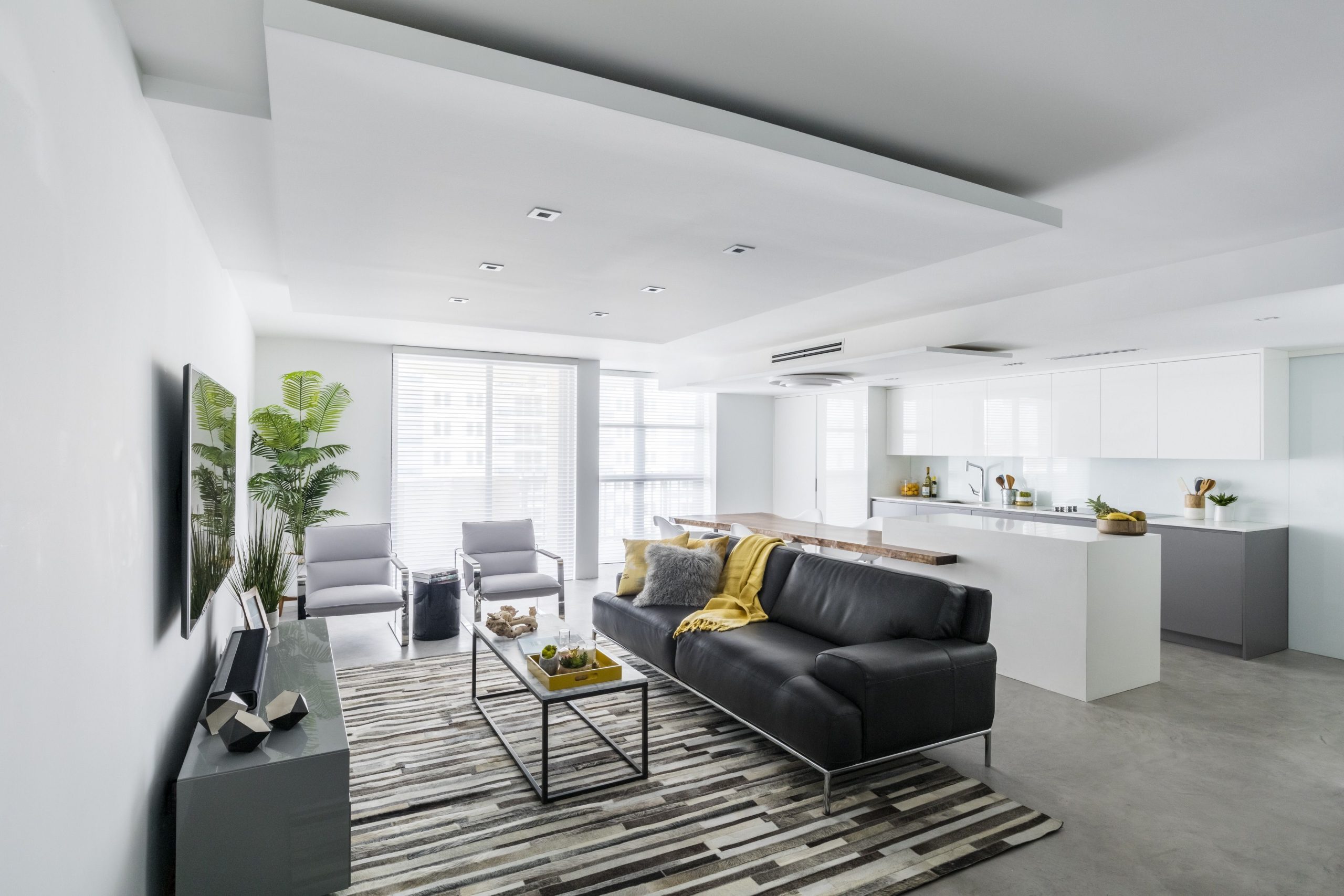
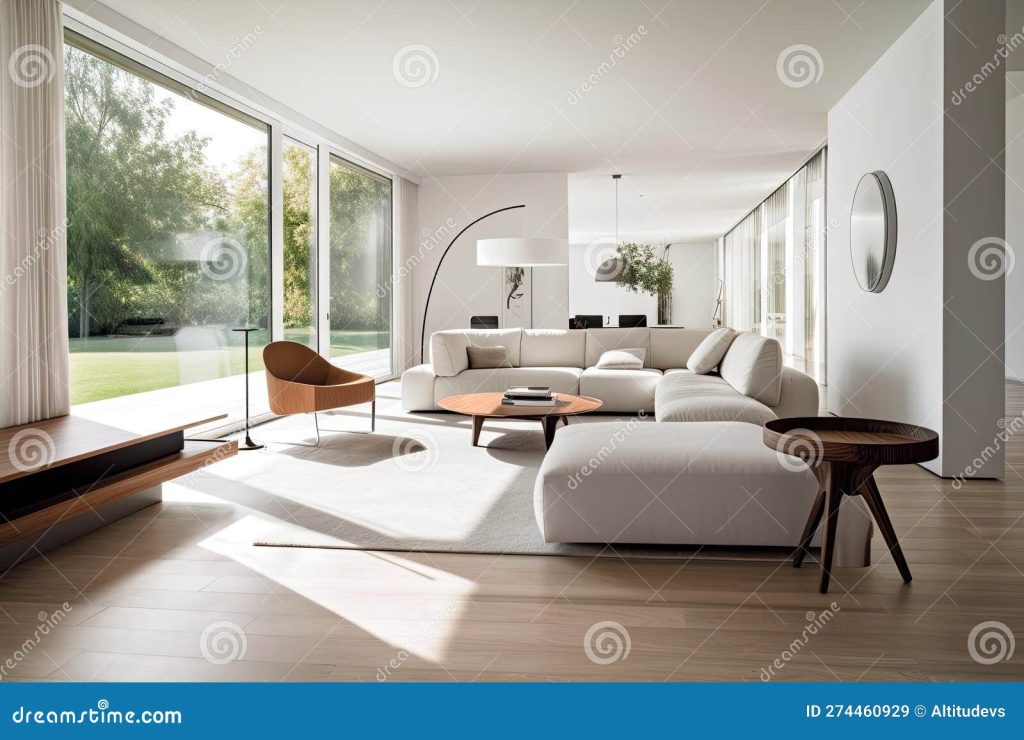
Living rooms looking cluttered? Discover minimalist approaches to open up space! A visually appealing, well-organized living room is an inviting living space, conducive to relaxation, gathering and creating beautiful memories. However, many homeowners are faced with the daily struggle of keeping a living room clutter-free, which can be frustrating and time-consuming. This article provides practical strategies for decluttering your living room while maintaining a minimalist and functional design. We’ll explore various minimalist strategies to optimize your living room space, covering everything from decluttering and choosing the right furniture to strategically incorporating storage solutions. The structure of this article breaks down each approach in detail, providing actionable advice and inspiring examples to make the process smoother. This guide will provide clear solutions and actionable strategies to ensure your living room is not only aesthetically pleasing but also functional and enjoyable to use.
Assessing Your Living Room Needs
Decluttering Your Space
Decluttering your living room is the first step to achieving an open and inviting space. Start by identifying items you no longer use or need. Consider whether these items truly serve a purpose in your daily life. If not, thoughtfully discard, donate, or sell them. Be ruthless in your evaluation; the goal is to create a space where you feel refreshed and energized. This process might require multiple sessions; don’t be afraid to take breaks or reassess your decisions as you go.
Evaluating Furniture Placement
Take a good look at your current furniture layout. Is it maximizing space or creating visual clutter? Consider whether the arrangement of seating and other furniture promotes flow and visual openness in your room. A strategic furniture placement can significantly improve the overall look and feel of your living room. Rearranging furniture pieces can create new pathways, highlight natural light sources, and lead to a dramatic impact on space perception.
Understanding Your Lifestyle
Your living room should reflect your lifestyle. What activities do you primarily do in this space? Do you entertain guests often? Do you have children or pets? Consider your typical usage and whether your current arrangement accommodates these activities effectively.
Understanding your lifestyle also involves knowing your needs and preferences regarding your furniture and decorations. Do you prefer a formal, informal, or modern aesthetic? Consider your answers to help make informed decisions about furniture and decor.
Choosing Minimalist Furniture
Prioritizing Essential Pieces
Focus on purchasing furniture that serves multiple purposes. For example, consider a sofa with storage underneath to maximize space. Multifunctional furniture is crucial for maximizing space in smaller living rooms, especially when you’re working with a limited area. Multifunctional furniture can be a game-changer for optimizing your living space.
Related Post : Closet Overflowing With Clothes? Effective Decluttering Strategies
Embracing Streamlined Designs
Select furniture with clean lines and simple designs. Avoid bulky or ornate pieces that can create visual clutter and add to the feeling of being overwhelmed. Minimalist furniture with simple designs often creates a calm atmosphere and maximizes the use of the space.
Maximizing Space With Versatility
Consider furniture pieces that can be used in various ways or easily adjusted to different needs. For example, a coffee table that doubles as a storage unit or an armchair that can be pulled out to accommodate extra guests can create visual space and maximize your living room space.
For example, ottomans can serve as both seating and additional storage solutions.
Using Light Colors
Using light colors or neutral palettes in your living room decor can greatly amplify the sense of space and make a room feel more open and airy.
Strategic Storage Solutions
Implementing Hidden Storage
Incorporating storage solutions that are out of sight is a crucial component of minimalism. Opt for storage units with concealed compartments to keep items hidden away, preventing visual clutter. Consider using shelves, cupboards, or other storage options that blend seamlessly with the overall design of your living room.
Utilizing Vertical Space
Maximize vertical space in your living room by utilizing tall shelving units or wall-mounted cabinets to store items without taking up valuable floor space. Vertical storage solutions can create visual interest and keep your living room feeling organized.
Optimizing Existing Spaces
Look at your existing furniture and see if you can incorporate them into storage solutions. A coffee table with drawers or a sofa with hidden compartments are examples of this approach. Using space-saving furniture can be one of the most effective ways to keep your space feeling more expansive.
Creating a Focal Point
Minimizing Distractions
Too much visual stimulation can overwhelm the eyes. Minimize distractions in your living room by focusing on a single, meaningful focal point. This could be a fireplace, a gallery wall, or a piece of artwork. By defining a central point, you are directing attention towards a cohesive and focused design.
Maintaining a Theme
Maintaining a theme will help you create cohesion and focus the design of your living room. Select a color scheme and maintain it throughout your decor, creating a space that flows together effortlessly.
Focusing on Lighting
Good lighting can create the feeling of spaciousness and openness. Use a combination of ambient, task, and accent lighting to highlight important features of your living room. Using natural light and reflecting light can significantly affect how spacious your living room will feel.
Incorporating Greenery
Consider introducing plants in your living room. Plants are great for creating a calming and refreshing atmosphere.
Embracing Natural Light
Maximizing Natural Light
Open up your living room by maximizing natural light. Keep windows unobstructed and use light-colored curtains or blinds to allow sunlight to flood the space. Natural light creates a sense of spaciousness and brightness, making your living room more inviting and welcoming.
Strategically Placing Mirrors
Strategic use of mirrors can create an illusion of spaciousness. Place mirrors strategically to reflect natural light and expand the perceived size of your living room.
Utilizing Sheer Curtains
Use sheer curtains instead of heavy, thick ones, allowing light to filter through without obscuring the view.
Use this approach to maximize the natural light from your windows.
In conclusion, decluttering your living room with minimalist approaches can significantly improve your space and well-being. By strategically choosing furniture, embracing minimalism in décor, and simplifying storage solutions, you can transform your living room from feeling cramped and cluttered to an open and inviting space. If you’re ready to embrace the minimalist approach, start by assessing your space’s needs and prioritize essential furniture and décor items. For more tips and inspiration, visit our website for related blog posts, design guides, and more.