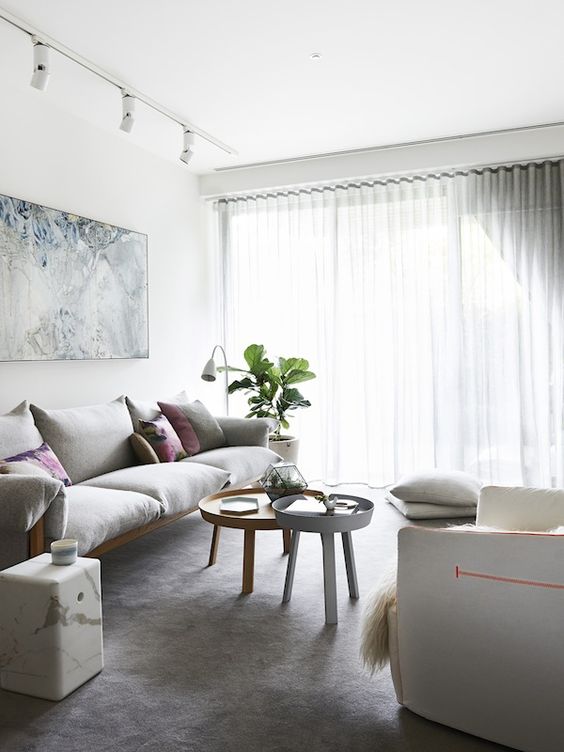
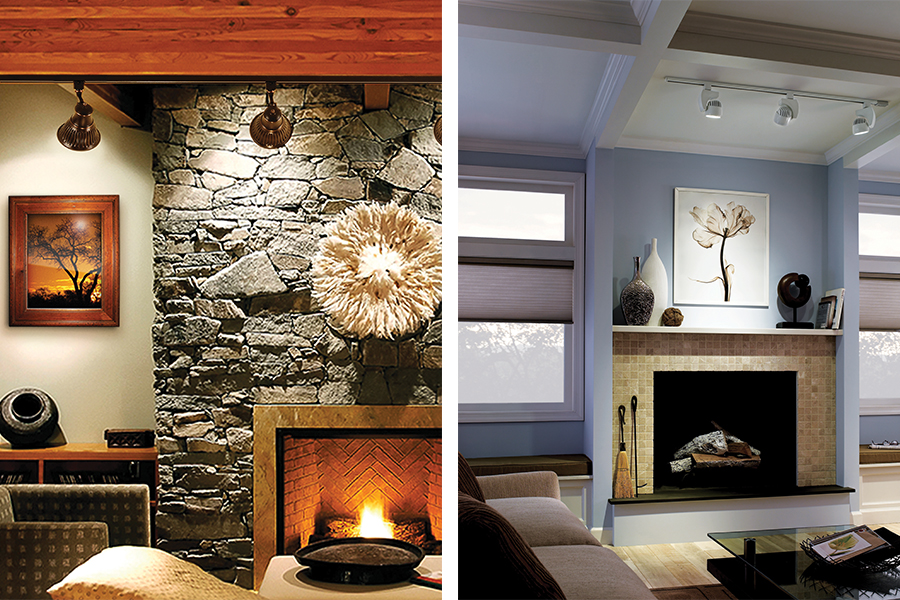
Track lighting not covering your entire room effectively? It’s a common problem, but there are simple solutions. This comprehensive guide explores strategies for expanding track lighting coverage, optimizing your room’s ambiance, and achieving a well-lit space. We’ll delve into critical factors like fixture placement, light intensity adjustments, and overall room layout considerations. Understanding these aspects will empower you to efficiently illuminate your entire space. This article will detail different approaches for expanding track lighting’s reach, with practical examples and expert insights to achieve the best possible results.
Understanding the Limitations of Existing Track Lighting
Assessing the Current Setup
Before tackling the problem of inadequate track lighting coverage, it’s crucial to assess the current configuration. Analyze the number and type of track lighting fixtures installed, the distance between them, and their positioning relative to the space. Are the fixtures evenly spaced along the track? Are they positioned to illuminate all necessary areas or are certain spots shaded? Careful observation is the first step in determining what needs to be adjusted.
Identifying Coverage Gaps
Related Post : Light Fixtures Flickering Intermittently? Troubleshooting Electrical Causes
Map out the areas that aren’t receiving sufficient light. Use a visual aid like a floor plan or a photograph to identify the shadows and darker spots. This visual representation will help you pinpoint the precise locations where additional light is required. Be mindful of how light bounces and diffuses throughout the room—this will help you plan a more efficient lighting layout.
Strategic Fixture Placement for Enhanced Coverage
Optimizing the Track
Consider adding more track sections to distribute lighting more effectively. Extend the track further into the room to cover more area. Calculate the room’s dimensions to ensure ample space for the new track. Ensure the new track is aligned with the intended light path for better coverage.
Position Fixtures for Maximum Reach
Experiment with adjusting the positions of existing fixtures. Shift them slightly along the track to cover more of the area. A few degrees of adjustment can drastically affect the illuminated area, so carefully test and refine the placement to achieve optimal coverage.
Incorporating Multi-directional Fixtures
If possible, consider installing multiple-headed fixtures that can emit light in multiple directions to effectively illuminate the whole room. These more complex solutions allow for a more complete picture of the room.
Increasing Light Output for Improved Coverage
Selecting Bulbs with Higher Lumens
One of the most straightforward ways to increase coverage is by switching to bulbs with higher lumen output. High-lumen bulbs will increase the brightness in the room—making the whole area illuminated. Determine your desired brightness levels in different parts of the room. Experiment with different options and note their effect.
Utilizing Correct Lighting Technology
Exploring the possibility of using LED bulbs, which are known for their energy efficiency and wide range of available color temperatures, can significantly improve the coverage and quality of your track lighting installation. LED lights are designed to emit light with high precision, making them excellent for specific task illumination.
Reflecting Light for Improved Diffusion
Use reflective surfaces to maximize the distribution of light. This includes strategic use of mirrors, glossy walls, or strategically placed reflective panels to bounce light into shadowed areas, potentially eliminating the need for additional fixtures.
Exploring Alternative Lighting Solutions
Integrating Ambient Lighting
Incorporating other types of lighting, like recessed spotlights or ambient lighting, can complement your track lighting. These can act as a secondary source to enhance coverage and create layers of light within the room.
Combining Track Lighting with Pendant Lighting
For rooms with high ceilings, consider supplementing track lighting with pendant lights. Pendant lights can effectively highlight focal points while offering broader coverage. This combination approach effectively targets specific areas while ensuring the entire room benefits from ample illumination.
Room Specifics and Considerations
Adapting to Specific Room Shapes
Different room shapes necessitate different lighting approaches. For example, a long and narrow room might require more evenly spaced track lights along the length of the room. Rooms with high ceilings can benefit from strategically placed fixtures to illuminate the entire space.
Addressing Various Room Activities
Take into account the intended use of the room. For example, a dining room might benefit from task lighting over the dining table in combination with track lighting for ambiance. Consider your room’s daily activities and the type of lighting needed to perform tasks effectively.
What is the best placement for track lighting in a large room?
In a large room, track lighting should be strategically placed to illuminate different zones or areas. Consider the activity of each area—a dining area or a workspace may need different lighting requirements compared to a living area. A good starting point is to install the lights in symmetrical patterns to create balance and visual appeal. Avoid overcrowding the track with too many fixtures, as this can lead to inconsistent and less effective coverage.
In conclusion, expanding the coverage of your track lighting requires careful planning, consideration of your space’s layout, and strategic placement of fixtures. By understanding the different factors involved and applying the methods discussed, you can effectively illuminate your entire room without sacrificing aesthetics. Remember to experiment, adjust, and potentially seek professional advice if needed. For further assistance or custom lighting solutions, consult with a qualified lighting designer or electrician.