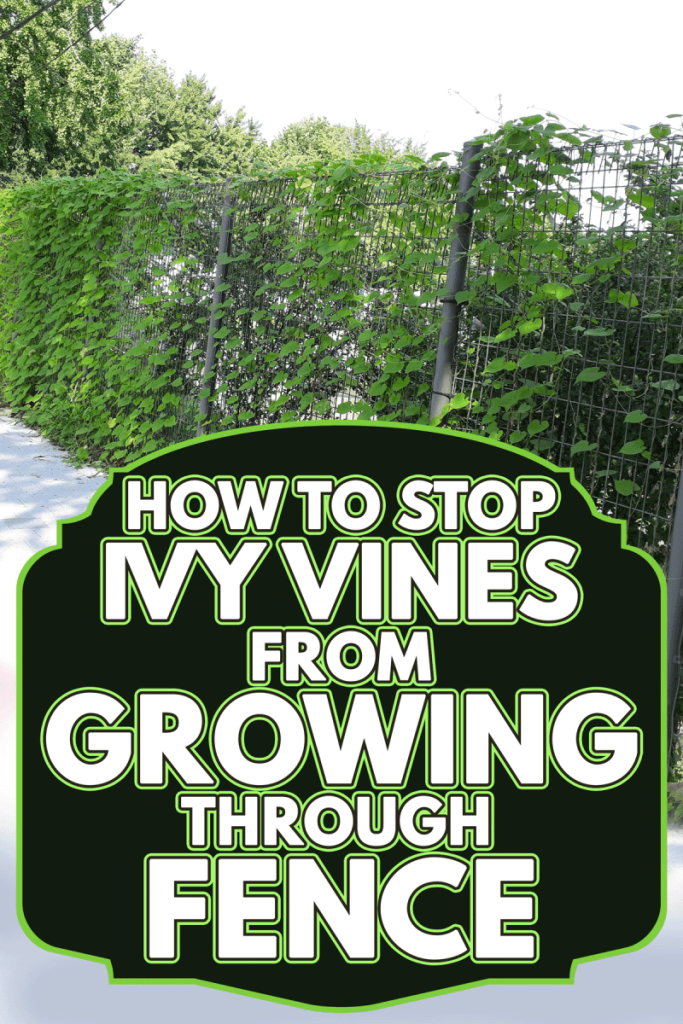
Fence lines overrun by vines present a common gardening challenge. These tenacious plants, with their rapid growth, can quickly transform a neat property into a tangled jungle. Understanding the causes, and implementing the right solutions to effectively control and manage the growth of these vines is crucial to maintaining a well-groomed outdoor space. This comprehensive guide offers practical steps, from basic trimming to advanced control techniques, to help you reclaim your fence lines. We’ll cover identifying the types of vines, assessing the extent of the problem, employing various control methods, and preventing future infestations. This article provides a step-by-step process to effectively manage these overgrown vines, ensuring a vibrant and healthy garden.
Identifying the Culprit: Understanding Vine Types
Vine Species and Their Growth Patterns
Understanding the specific types of vines encroaching on your fence is the first step to effective management. Different vine species have varying growth habits, requiring different approaches to control. Some vines, like kudzu, are notorious for their rapid growth and extensive coverage. Others, like ivy, are known for clinging to surfaces and growing along walls and fences. Identifying the specific type of vine will inform the best course of action. This crucial step avoids misapplication of treatments that might harm desirable plants or, worse, encourage further vine spread. Understanding the characteristics of the vines in your area helps predict their likely growth patterns and facilitates more targeted, successful control strategies.
Recognizing Signs of Overgrowth
Overgrown vines often present obvious visual cues. They can obscure the fence itself, making it difficult to see, and can also create a significant visual distraction from the rest of the landscaping. This overgrowth might lead to issues with sunlight and air circulation for neighboring plants, negatively impacting the overall health of your garden. Early recognition is key for effective and timely intervention, preventing vines from becoming too entrenched and difficult to control. Look for signs of excessive vine density and any changes in the surrounding plants’ health or appearance, as they could signal the beginnings of a problem.
Assessing the Extent of the Problem
Related Post : Grass Growing Unevenly? How to Achieve a Uniform Lawn
Evaluating the Scope of the Infestation
Determining the extent of vine overgrowth is essential for developing an effective control plan. Consider the total area covered by the vines, the thickness of the vines themselves, and the presence of seedlings or sprouts. The extent of the problem determines the time and resources required for proper management. A small infestation can be tackled with minimal effort, while large-scale overgrowth might require more substantial interventions, including professional assistance. Gathering this data provides a realistic view of the scale of the project.
Mapping the Infestation
A crucial step involves creating a map to document the location, growth patterns, and density of the vines. This visual representation helps in planning and targeting your control efforts more effectively. Note the locations where the vines are growing most heavily and pinpoint areas that might need special attention. Consider the areas in which the vines might be creeping further, potentially leading to more issues in the future.
Employing Control Methods
Targeted Trimming Techniques
Regular trimming is a fundamental aspect of vine control. Proper pruning techniques are essential to prevent the regrowth of vines while maintaining a clear aesthetic. Trimming involves cutting back the vines to a desired level or to specific points on the fence or structure. This might involve shears, loppers, or specialized pruning tools, depending on the vine type and the extent of the overgrowth. Careful trimming helps keep the vines under control and prevents damage to the surrounding area.
Chemical Treatments (Consult an Expert)
In cases of severe infestations, chemical treatments might be necessary. Herbicides can be utilized to kill vines, but applying them requires caution. Incorrect application can harm nearby plants and may not eliminate the entire problem. Always follow label instructions carefully and avoid exposure to harmful chemicals. Only use chemicals when other methods are ineffective, and consider consulting with a professional to ensure proper application and minimize risks.
Preventing Future Infestations
Strategic Planting and Spacing
Careful plant selection and proper spacing can contribute significantly to preventing future infestations. Plant resistant varieties or shrubs that naturally deter vine growth. Strategic placement of shrubs and other plants can create a barrier, discouraging vines from spreading. The choice of plants is critical, and their placement must be carefully considered to prevent future vine growth.
Maintaining Healthy Fencing and Structures
Ensure the integrity of your fence or other structures. Vines often seek support or leverage for growth. Addressing any damage or gaps in the structure can prevent vines from taking hold more firmly. Maintaining a healthy fence minimizes the opportunities for vine encroachment.
Maintaining a Healthy Landscape
Regular Inspection and Maintenance
Regular inspections of your fence lines and surrounding areas are crucial for early detection of new vines or regrowth. Early detection will allow you to implement corrective actions promptly and will help in achieving better long-term results. Regular maintenance is key to managing and controlling vine overgrowth effectively and prevents the problem from escalating.
Case Studies: Success Stories from Real Gardens
Case Study 1: A homeowner in [Location] noticed a significant kudzu infestation creeping up their fence. Through strategic trimming and targeted herbicides, they successfully managed to contain and reduce the growth, maintaining the overall beauty of their landscape.
Case Study 2: Another homeowner in [Location] opted for a combination of trimming and strategic planting to curb the spread of an ivy infestation. The addition of native shrubs along the fence line and regular maintenance effectively managed the growth and helped prevent further spread.
In conclusion, controlling overgrown vines on fence lines requires a combination of proactive measures, such as regular trimming, strategic planting, and targeted pest control. By understanding the specific needs of the vine species and employing appropriate techniques, homeowners can maintain aesthetically pleasing and functional fence lines. Remember, prevention is often better than cure, and early intervention can save significant time and effort. For further assistance, consider consulting local gardening experts or contacting professionals for specialized treatments, especially for extensive infestations or difficult-to-manage species. Contact a local garden center for supplies and advice, or look into online resources for more detailed information on various vine control techniques.