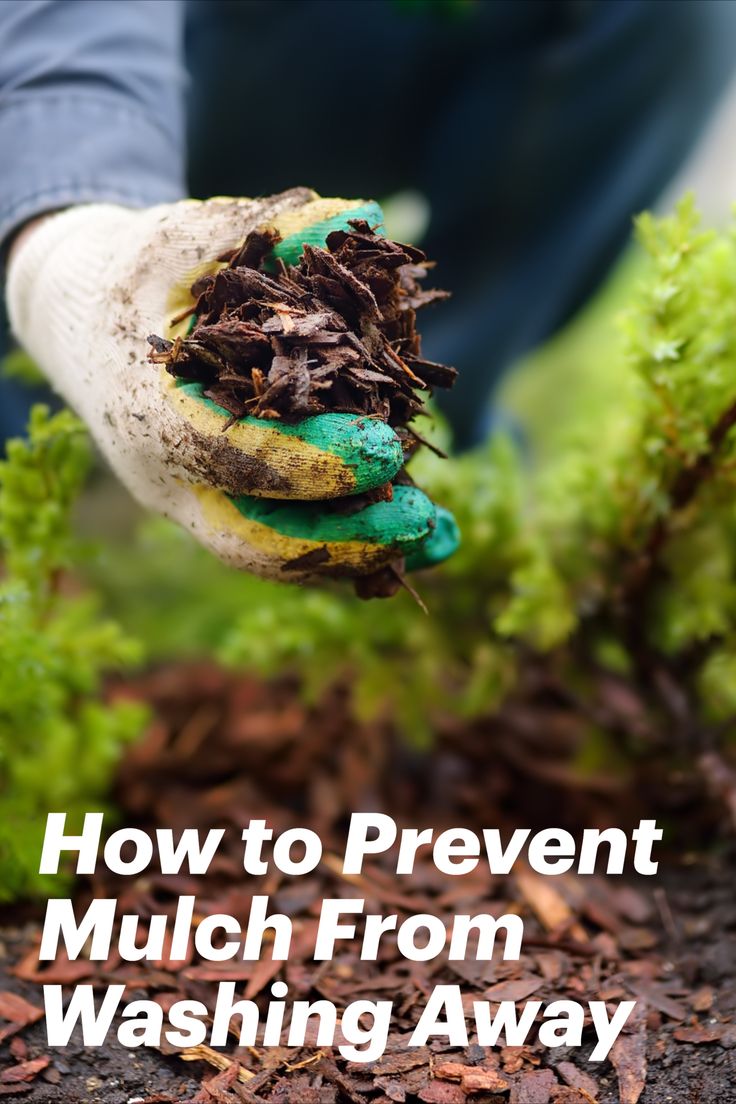
Mulch washing away after rain is a common problem in landscaping, impacting the aesthetic appeal and longevity of your garden beds and flowerbeds. It can lead to uneven surfaces, exposed soil, and a less-than-ideal aesthetic in your yard. Understanding the causes and implementing appropriate solutions is key to maintaining a beautiful landscape. This article will explore techniques to keep mulch in place after rain, providing you with expert insights and practical steps to prevent this common issue. We will cover different types of mulch, proper installation methods, and strategic approaches to managing water runoff. The sections will guide you through each aspect, from understanding the reasons behind mulch displacement to implementing preventive measures.
Understanding the Causes of Mulch Washout
Mulch washout after rain occurs due to a combination of factors, primarily relating to water runoff and inadequate mulch installation. Heavy rainfall can quickly remove loose mulch, particularly if the soil isn’t adequately prepared or if the mulch isn’t properly layered. The rate of water absorption by the soil is also a contributing factor. A lack of proper drainage can cause water to pool around mulch beds, increasing the risk of washout. The type of mulch used can also influence the likelihood of washout; some types are more prone to movement than others. This section dives into these key factors, revealing the underlying causes of mulch displacement and laying the foundation for preventative measures.
Choosing the Right Mulch for Your Needs
The selection of mulch is crucial in preventing washout. Different types of mulch have varying water retention and stability properties, making a difference in their resistance to rain and runoff. Some of the most effective mulches for preventing washout include shredded bark, wood chips, and pine straw. The particle size and density of the mulch play a role in how well it holds up during heavy downpours. Proper layering techniques are equally important, ensuring a stable base to prevent shifting and movement.
Related Post : Grass Growing Unevenly? How to Achieve a Uniform Lawn
Types of Mulch
- Shredded bark: Offers good water retention and stability.
- Wood chips: Can be heavier and denser than shredded bark, offering more resistance to washout.
- Pine straw: A naturally occurring material, can decompose more quickly than other options, and may be less effective in preventing water runoff compared to wood chips or shredded bark.
- Grass clippings: Often cheaper, but less durable and prone to washout.
Mulch Thickness
Consider the thickness of the mulch layer for additional stability. A thicker layer can act as a barrier against water runoff and help hold the mulch in place. It’s important to keep in mind that a greater thickness of mulch needs to be matched by sufficient soil bed preparation and drainage.
Proper Mulch Installation Techniques
Proper installation is a key factor in preventing mulch washout. A strong foundation of soil is important for supporting a stable layer of mulch. The soil should be well-prepared to accommodate the mulch. Poor soil preparation can compromise the integrity of the mulch bed, making it vulnerable to erosion. Ensure that you have proper soil preparation for the bed, as this will minimize issues in the future.
Soil Preparation
Proper soil preparation is critical for supporting a stable mulch layer and promoting water absorption. This involves removing weeds, preparing soil amendments to enhance drainage if needed, and leveling the soil surface.
Mulch Application Techniques
Apply mulch in layers, distributing it evenly across the bed to maintain its stability. The uniformity will aid in preventing concentrated water flow, reducing the risk of erosion. Water frequently following the installation to assist with initial settling and embedment.
Managing Water Runoff to Prevent Mulch Washout
Water runoff is a significant contributor to mulch washout. Implementing techniques to manage water runoff around mulch beds is essential for preventing erosion. Strategic drainage and proper slope maintenance can effectively direct water away from sensitive areas. The way water runs off affects the way mulch settles in place.
Drainage Systems
Installing proper drainage systems in landscaped areas is one way to divert water away from mulch beds, reducing the chance of washout. This involves careful planning of the landscape’s contours and slopes to redirect water flow.
Mulch Beds
Create slightly elevated beds to divert water, aiding in preventing the accumulation of water and consequently the washout of mulch. Using natural or man-made barriers, like berms or retaining walls, can effectively direct water away from vulnerable areas.
Preventing Mulch Washout with Landscape Design
Landscape design plays a critical role in preventing mulch washout. Careful planning of the landscape can effectively minimize runoff. Appropriate slope design directs water away from mulch beds. Incorporate techniques that promote water absorption to avoid excessive runoff around the planting beds.
Strategic Mulch Placement
Position mulch around plants and trees to absorb water and prevent runoff in vulnerable areas. This approach also protects the roots of plants by managing soil moisture levels. Avoid placing mulch directly against foundations or walls to prevent water accumulation.
Mulch washing away after rain is a common landscaping issue, and the solutions to keep mulch in place can be surprisingly simple, from choosing the right type of mulch to using proper installation techniques and strategic mulching. In this article, we delved into various solutions, from preventing mulch washout to effectively managing runoff. With a combination of the methods explained, you can achieve a beautiful landscape while maintaining the integrity of your landscaping investment. By following these simple techniques, you can achieve a lasting and aesthetically pleasing landscape that needs minimal maintenance, ensuring your hard work pays off. Contact a professional landscaper for customized solutions if needed. Learn more about proper mulch installation and maintenance!