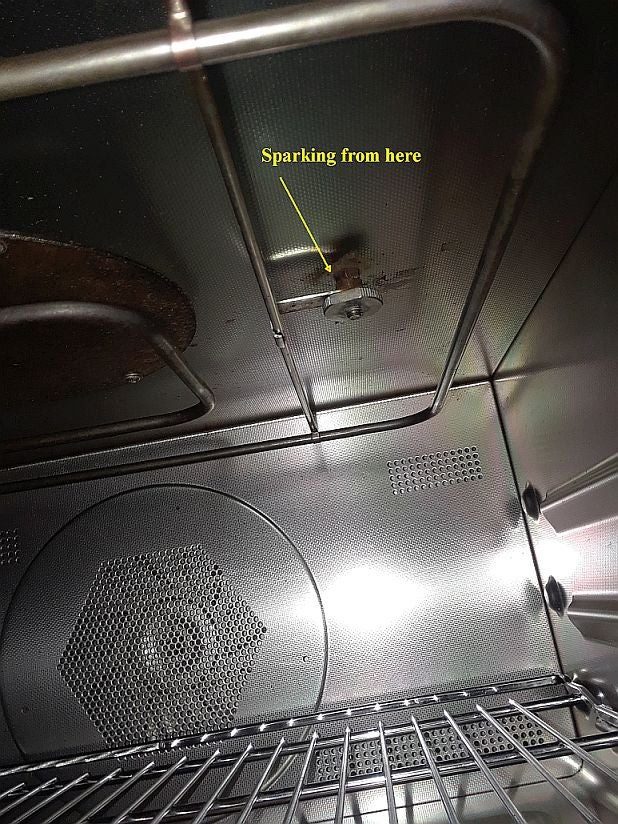
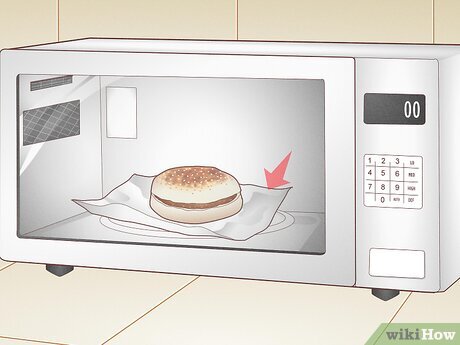
Microwaves sparking inside? This seemingly minor issue can signal a more significant problem, and understanding the reasons behind it is key to maintaining your appliance and personal safety. This guide will dive deep into the causes of microwaves sparking inside, offering practical insights into troubleshooting the issue and deciding when a replacement is necessary. We’ll explore potential fixes, provide safety tips, and ultimately empower you to make informed decisions about your microwave’s future.
Understanding the Causes of Sparking
Sparking inside your microwave is a clear indication that something isn’t functioning as expected. While the initial cause often seems minor, ignoring it could lead to significant damage or even electric shock hazards. Understanding the common causes will help in deciding the next course of action: Is it a simple fix or is it time for a replacement? In this section, we’ll investigate various causes of this phenomenon.
Common Causes of Sparking
- Faulty Magnetron: The magnetron is the heart of your microwave, generating the microwaves that cook your food. If it’s malfunctioning, it can overheat, leading to sparks. Diagnosing this usually requires a thorough understanding of microwave circuitry and often necessitates professional assistance.
- Damaged Wiring: Damaged or frayed wires in the microwave’s internal circuitry are a typical culprit. These issues can lead to short circuits and sparking. Addressing this issue safely requires advanced knowledge of electrical systems, making professional intervention often the best course of action.
- Malfunctioning Turntable: A faulty turntable or an obstruction preventing its proper rotation can cause sparks. Over time, the turntable can wear out or become damaged by food debris. Regularly cleaning your turntable and inspecting its parts for wear or damage can prevent such situations.
- Problems with the Interior Cavity: Occasionally, a buildup of food particles or liquids in the microwave’s interior can create a conductive path, leading to sparking. Regular cleaning is crucial in preventing this.
- Overheating: In some cases, prolonged use or an overloading of the microwave can cause overheating, leading to sparking issues.
Diagnosing Microwave Sparking Issues
Related Post : Houseplants Dying Despite Care? Common Mistakes and Solutions
Before diving into potential fixes or replacements, diagnosing the problem accurately is paramount. This section provides a step-by-step approach to pinpoint the source of the issue.
Assessing the Situation
1. Safety First: Before touching any internal parts, unplug the microwave from the power source. This is crucial to preventing electric shock.
2. Visual Inspection: Inspect the interior of your microwave carefully, looking for any visible damage, such as burnt areas, melted components, or unusual discoloration.
3. Listen for Sounds: Pay close attention to any sounds beyond the normal operating noises of the microwave. Unusual clicks, buzzing, or hissing could indicate a potential problem in the internal circuitry.
4. Evaluate Food Residues: Check the interior cavity for any food remnants that may have accumulated around the interior cavity. Clean off and check around the turntable to prevent further complications.
This process of elimination will help narrow down potential causes.
Repairing vs. Replacing Your Microwave
Determining whether a repair is feasible or if a replacement is necessary requires careful consideration of the issue’s severity and your comfort level with electrical repairs. In many instances, it is recommended to seek professional help.
Repair Options
- Simple Cleaning: Sometimes, a simple cleaning of the interior and turntable can resolve the issue. Remove any food debris or spills which might be causing a spark to occur.
- Wiring Assessment: If you are comfortable with basic electrical work, carefully check the wiring for damage or loose connections. However, proceed with caution.
- Professional Repair: For more complex issues, like problems with the magnetron or internal components, professional assistance is highly recommended. Qualified technicians have the expertise and equipment needed to diagnose and repair your microwave safely and effectively. Don’t risk electrical safety hazards, especially with high-voltage appliances like microwaves.
Prevention Measures for Future Issues
Regular maintenance and care can dramatically reduce the likelihood of sparking issues in your microwave.
Routine Maintenance:
- Cleaning: Clean the interior of the microwave on a regular basis. This can prevent a buildup of food particles that can lead to electrical issues or sparks.
- Turntable Inspection: Regularly inspect the turntable for any damage, and clean any food residue around it. This maintenance strategy can help prevent sparks in many instances.
- Proper Usage: Follow the manufacturer’s instructions for safe operation and avoid overloading the microwave, which could potentially cause overheating and sparking. Properly using the microwave can help prevent a variety of potential issues.
Following these simple steps can avoid a variety of safety and operation problems.
When to Replace Your Microwave
In certain scenarios, repairing your microwave might not be the best or safest option. Understanding the signs that indicate a replacement is necessary is crucial.
Red Flags
- Persistent Sparking: If the sparking problem persists after cleaning, inspecting wires, and checking the turntable, a potential internal issue may exist requiring replacement.
- Extensive Damage: If there’s evidence of extensive damage to internal components (burnt areas, melted plastics), replacing the microwave is often more cost-effective and safer than attempting a repair.
- Safety Concerns: If you experience any sparking or unusual electrical activity, prioritize safety and avoid attempting repairs yourself. Contact a qualified technician immediately.
- Significant Maintenance Costs: If the repair costs are comparable to the cost of a new microwave, replacing the appliance could be a more viable long-term option.
Safety First: Electrical Appliance Handling
Safety is paramount when dealing with electrical appliances, particularly when there are signs of sparking or malfunction.
General Safety Precautions
- Unplug the appliance: Before attempting any repairs or inspection, always unplug the microwave from the power outlet.
- Avoid water exposure: Never expose the microwave to water or moisture, as it could lead to severe electric shocks or other safety hazards.
- Professional advice: If you’re uncertain about any aspect of repairing or maintaining your microwave, consult a qualified technician for professional advice.
These precautions are critical for preventing accidents and maintaining personal safety while working with electrical appliances.
In conclusion, understanding the potential causes of sparking inside your microwave is crucial for preventing further damage and ensuring its longevity. By following the guidelines provided, you can determine if the issue is fixable or if a replacement is necessary. If you’re uncertain, consulting a qualified technician is always a wise course of action. Always prioritize safety when handling electrical appliances and address any unusual sounds or smells promptly. To ensure your microwave continues to function smoothly, schedule regular maintenance checks and promptly address any issues you notice. Preventative measures like routinely checking the turntable and the interior of the microwave will help maintain a safe operating environment.