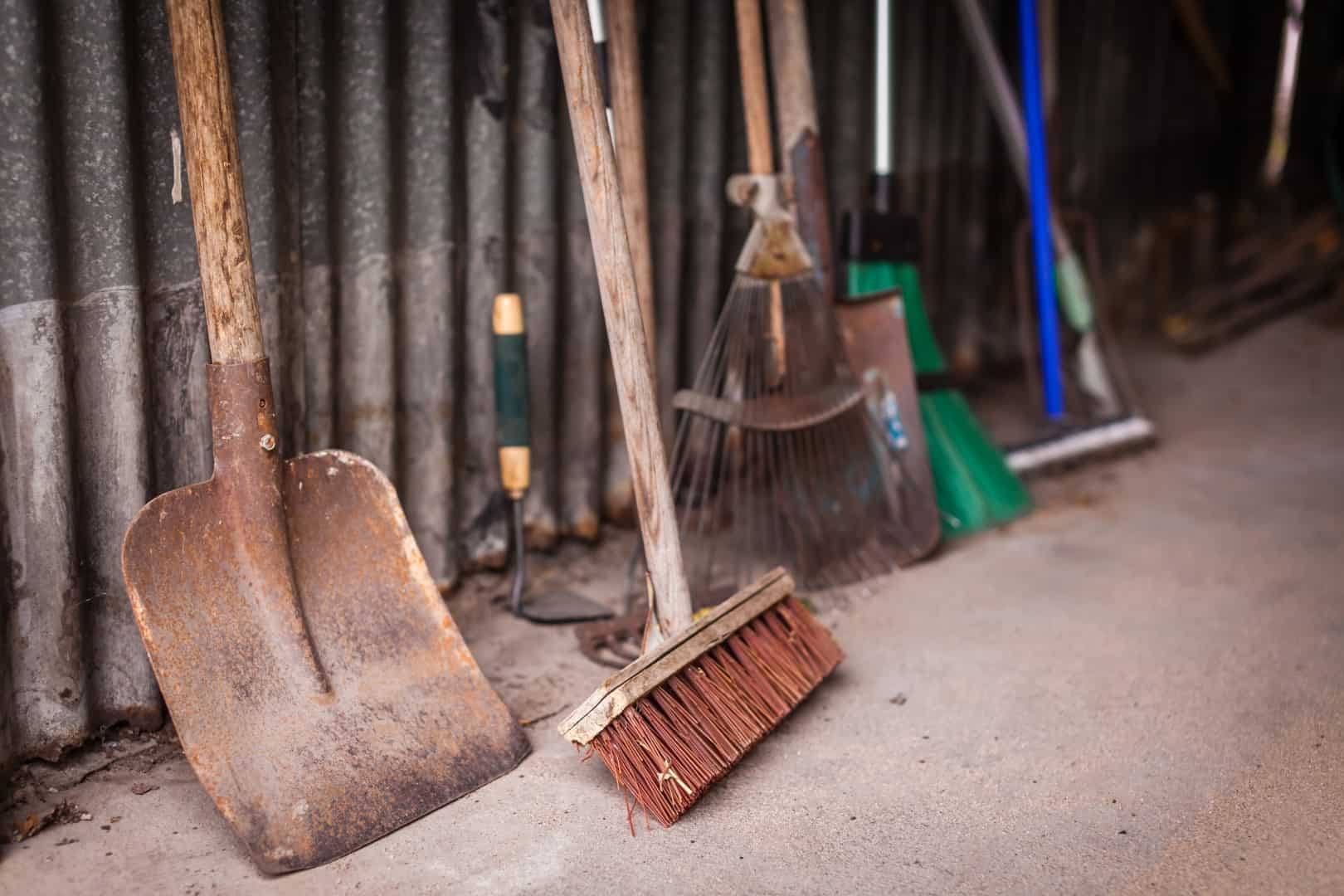
Garden tools rusting in the shed is a common problem for gardeners. Rusty tools are not only unsightly but also less effective and can potentially damage your plants. Protecting your tools from rust is essential to maintaining their longevity and ensuring that they remain useful. This comprehensive guide will delve into the causes of rust formation in garden tools stored in sheds, and provide effective solutions and strategies for proper storage and maintenance.
Understanding the Causes of Rust in Garden Tools
The Role of Moisture and Oxygen
Garden tools stored in sheds, especially in humid climates, are susceptible to rust due to a combination of moisture and oxygen. Moisture, whether from condensation or rain, provides the water needed for the electrochemical reaction between iron and oxygen to occur. The presence of oxygen in the air is another crucial element in the rusting process. Oxygen reacts with iron, creating iron oxide, commonly known as rust. The key is to prevent the presence of both.
Environmental Factors Affecting Rusting
Several environmental factors within the shed, such as high humidity, temperature fluctuations, and poor air circulation, can accelerate the rusting process. A lack of proper ventilation can trap moisture, leading to higher levels of humidity, creating ideal conditions for rust to form. Temperature fluctuations, especially those between warm days and cool nights, can cause condensation, furthering the rust formation. It is important to maintain a relatively stable environment to minimize rust.
Choosing the Right Storage Solutions
Related Post : Lawn Turning Brown Despite Watering? What Might Be Going Wrong
Optimizing Shed Storage
Proper shed storage is crucial to prevent rust. This involves more than just throwing tools in a corner. Tools need to be arranged in a way that promotes proper air circulation and reduces moisture buildup. Consider elevating tools off the ground using shelving or racks to promote better airflow and prevent contact with moisture from the floor. Ensure that your shed is well-ventilated; you can use fans if needed. Tools should not be stored in direct contact with each other or the walls, to minimize the chances of moisture gathering around them.
Using Protective Coatings and Materials
Applying protective coatings to your tools, such as oil-based sprays, can create a barrier that prevents rust formation. This can be an effective method, but it should be used in addition to the proper storage environment. If you’ve just finished working with your garden tools, wipe them down and apply a light coat of oil, which will protect them from moisture. In addition to coating, consider storing tools in a sturdy shed or container. Waterproof cases or plastic containers can be helpful, but aren’t completely foolproof without additional precautions against the environmental factors.
Maintaining Your Tools for Optimal Longevity
Regular Cleaning and Drying
Regular cleaning and drying of your tools is essential to prevent rust. Immediately after use, clean your tools with a damp cloth and allow them to dry completely. Thorough drying prevents moisture from accumulating and creating the ideal conditions for rust. If cleaning isn’t possible right away, consider using a towel to wipe them down, and store them in a covered container. Avoid storing wet tools in the shed.
Periodic Application of Protective Coatings
Periodically applying protective coatings or oils to metal surfaces can prevent rust. This helps create a barrier that inhibits moisture from coming into contact with the metal. Apply a lubricant or oil-based spray when necessary to protect them from rust formation. The frequency of application will depend on the environment your tools are kept in.
Addressing Specific Issues
Dealing with Existing Rust
If your tools already have rust, you can try to remove it by using sandpaper, wire brushes, or specialized rust removers. Sandpaper or a wire brush will remove the outer layer of rust, while rust removers can dissolve the rust. Be sure to follow the directions on the rust remover package carefully. After removing the rust, apply a protective coating or oil to prevent further rust formation.
Maintaining the shed
Ensure your shed is well-ventilated and moisture-free, using dehumidifiers or moisture traps if needed to minimize the chances of rust on stored items.
Choosing the Right Tools for Garden Tasks
Selecting Tools Based on the Task
Choosing the correct tools for each task will impact tool longevity. Avoid overusing specific tools. If the work involves a lot of digging or scraping, invest in tools that are robust and less susceptible to damage, increasing the chances that they will last for years.
Selecting Durable Materials
Select tools made of materials that resist rust, such as stainless steel or high-quality carbon steel. These materials provide a better resistance to moisture and oxygen exposure, which can lessen the frequency of protective coatings. Avoid using tools made of inferior materials that are more prone to rust.
Preventing Water Damage in Your Shed
Fixing Leaks and Impermeable Surfaces
Addressing issues such as leaks can greatly decrease moisture in the shed. Patch any holes or cracks in the shed roof and walls to prevent water from getting in. This will minimize moisture and decrease the chances of your tools from rusting.
Maintaining Proper Drainage
Ensure your shed is situated on a level surface to allow proper drainage and prevent water buildup. This will minimize the potential for water to collect and damage your tools or create a humid environment in the shed.
Additional Tips for Tool Maintenance
Store tools in a dry and cool environment
Store tools in a dry and cool environment to prevent rust. A cool, dry place is the best place for your tools, both for rust and for long-term protection. Consider using containers or covers to shield your tools from direct sunlight or harsh elements.
Invest in quality tools
Investing in quality tools is an effective way to improve longevity. This ensures your tools are constructed from materials that are resistant to rust, helping to reduce the risk of damage and extending their lifespan.
Avoiding Overuse and Misuse of Garden Tools
Proper Use and Maintenance
Overuse and improper use can lead to damage and accelerate rust. Ensure that you maintain the tool correctly for the optimal use. Be mindful of the tasks that your tools are designed for and avoid applying too much pressure or using them for tasks they aren’t meant for.
The Importance of Routine Maintenance
Routine Inspection
Regular inspections of your garden tools can help identify potential issues before they escalate. Inspect them for any signs of damage, rust, or wear. This will help you address any problems in a timely manner before serious damage occurs.
Cleaning Schedule
Establish a cleaning schedule for your tools, such as weekly or monthly, depending on the frequency of your gardening tasks. A regular cleaning schedule can prevent the accumulation of dirt and debris, which can promote rust and damage your tools over time. The timing of maintenance will depend on your use schedule and your environment. A thorough inspection can prevent significant problems. Avoid putting them away wet. Proper maintenance can prevent problems down the road.
In conclusion, properly storing and maintaining your garden tools is crucial for their longevity and optimal performance. By following the advice outlined above, you can significantly reduce rust and ensure your tools remain sharp and ready for use. Investing in proper storage solutions and regular maintenance will save you money in the long run by preventing costly replacements. Don’t let rust ruin your gardening tools; take action today and keep them in tip-top shape for years to come! Visit our online store for high-quality garden tools and storage solutions.