Mold growing along your foundation isn’t just an aesthetic concern; it’s a clear indicator of a serious water intrusion problem. This article delves into the crucial relationship between foundation mold and water intrusion, providing valuable insights into identifying, preventing, and addressing these issues. Understanding this connection is vital for homeowners to maintain their property’s structural integrity and overall health. This comprehensive guide will discuss the signs of water intrusion, common causes, and effective solutions, including a step-by-step approach to prevention and remediation. We will cover the importance of a professional inspection, the potential cost implications of water damage, and preventive measures to protect your home from future problems.
Understanding the Signs of Water Intrusion
Identifying Potential Problems
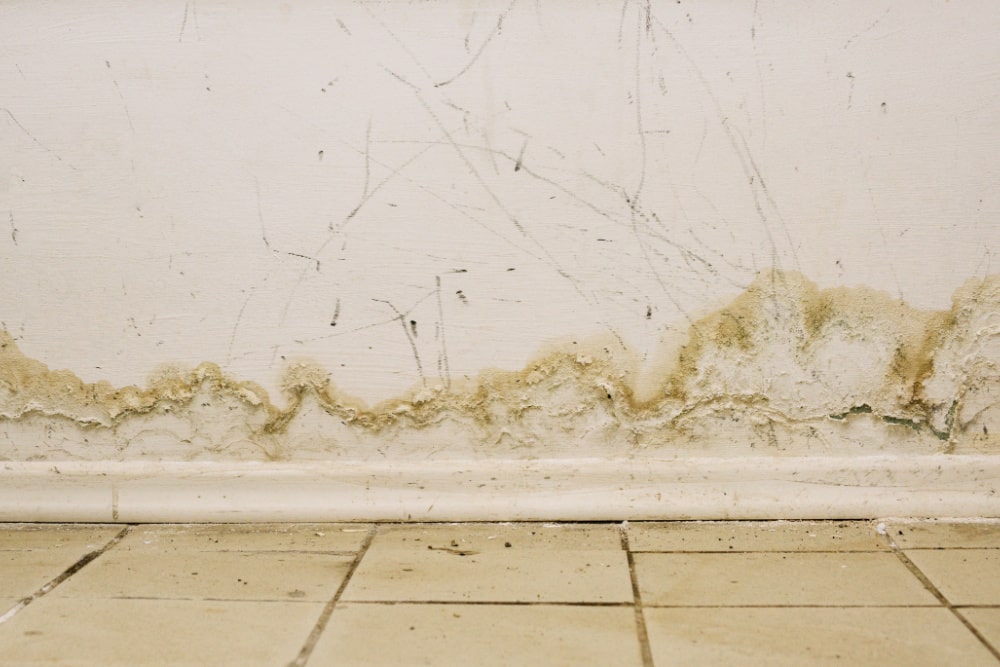
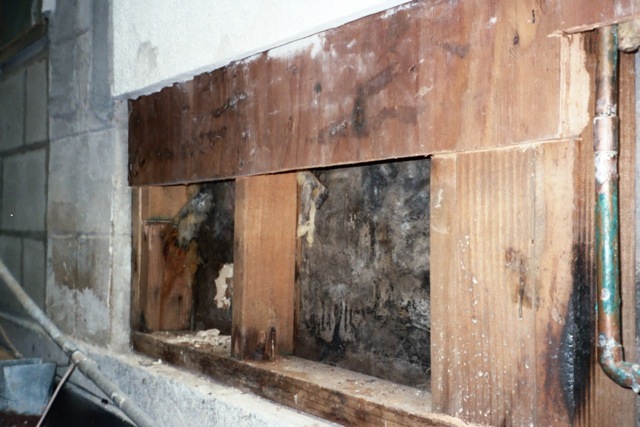
Visible signs of water intrusion often manifest as discoloration, dampness, or the presence of mold on interior walls or along the foundation. Often overlooked, subtle signs like the presence of mold, especially in the basement or crawl space, can be a major indicator. Careful observation of your home, particularly during and after periods of heavy rainfall or flooding, can reveal underlying problems. You may notice areas with lingering dampness, unusual discoloration on the walls, or the appearance of mildew or mold, which may be a sign of persistent moisture. Regular inspections are crucial for timely intervention. These telltale indicators should not be ignored, as they point to potential leaks or moisture issues, which need prompt attention. Prolonged exposure can lead to significant structural damage and health concerns.
The Role of Mold in Revealing the Problem
Mold growth is frequently a secondary issue stemming from water damage. Water intrusion creates an environment ideal for mold to flourish. Understanding the relationship between water intrusion and mold is key to effectively addressing the problem. If mold is present along the foundation, it’s almost certainly indicative of persistent moisture issues which, if left unattended, can lead to more severe problems.
Common Causes of Water Intrusion
Related Post : Gaps Forming Around Windows? Possible Foundation Settlement Issues
Poor Drainage and Grading
Poorly designed drainage systems or inadequate landscaping around your home can lead to water pooling near the foundation. This pooling water can seep into the foundation, creating an environment conducive to mold growth and significant damage over time. A proper grading system should direct water away from the home’s foundation. Without adequate grading, water can accumulate, and become a significant issue. Improper drainage around a house, or even poorly maintained gutters can lead to significant problems, and should be investigated as a possible cause.
Foundation Cracks and Leaks
Cracks in the foundation, however small, can allow water to seep into the structure. These cracks may be easily overlooked, but they can accumulate water over time, causing major damage to the foundation and ultimately leading to significant mold problems. Regular inspections to identify and address these cracks are crucial to prevent future damage.
Preventing Mold Growth and Water Intrusion
Addressing Drainage Issues
Proper drainage is essential for protecting your foundation from water intrusion. Inspect the grading around your home and ensure that water flows away from the structure. Consider installing French drains or gutters to divert water away from the foundation. A clear and well-maintained drainage system is an important preventative measure against mold and moisture damage. Regular checks and maintenance are critical in preventing significant problems. These simple steps can save you a lot of money and ensure the integrity of your home.
Regular Inspections and Maintenance
Regular inspections of your foundation and drainage systems are crucial to identify potential problems early on. Prompt attention to any signs of water damage or mold growth can prevent further damage. Addressing issues early is key to avoiding costly repairs and ensuring structural safety and integrity.
Remediation Strategies
Effective Waterproofing Techniques
Applying waterproofing techniques to the exterior of the foundation can prevent water from seeping into the structure. This can include methods like applying waterproof coatings or sealant to the affected areas. This will help to address the source of the problem, rather than just the symptoms. Waterproofing techniques can be a preventative measure to prevent further issues.
Professional Mold Remediation
If mold growth is already present, professional mold remediation is essential. Professionals have the expertise and equipment to remove the mold safely and effectively, minimizing the risk of further damage and health hazards. Proper removal prevents the re-emergence of mold, and safeguards the overall health and safety of the household residents.
Long-term solutions
Maintaining Proper Drainage Systems
Maintaining proper drainage systems should be part of your routine home maintenance. Routine maintenance for your gutters, drains and grading around your property will help to prevent future problems.
Regular Checkups
Make it a habit to check your home for any signs of water damage on a regular basis. This can help to prevent serious problems from forming.
In conclusion, identifying mold growing along foundations provides crucial insights into potential water intrusion issues. Addressing these issues proactively through preventative measures and professional inspections can prevent further damage and maintain the structural integrity of your home. By understanding the signs and causes of foundation mold, you can take control of the situation and safeguard your property from costly repairs and potential health risks. For further inquiries or assistance, consult a qualified professional for a thorough inspection and customized solution.