
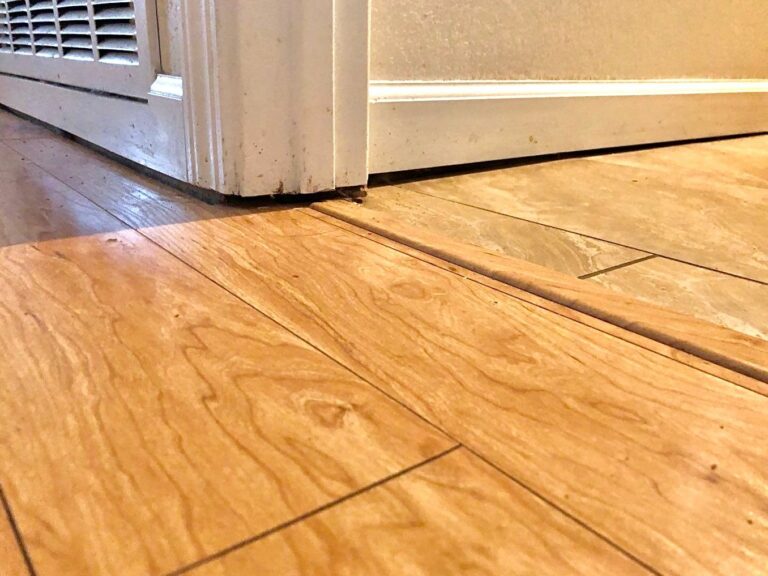
Uneven floors in older homes can be more than just an aesthetic issue; they often signal underlying structural problems. Imagine stepping into a home, only to find your foot unevenly navigating the floor. What does this say about the structural soundness of the house? Understanding the reasons behind uneven floors, like foundation settling or shifting joists, can provide insights into the home’s overall integrity. This article delves into the potential causes of uneven floors in older homes and what these issues reveal about the home’s structure. We’ll examine common causes, provide diagnostic tips, and explore potential solutions for restoring a level and safe living space.
Identifying Uneven Floor Issues
Common Signs of Uneven Floors
Uneven flooring isn’t just a matter of tripping hazards; it’s a potential indicator of significant structural problems in older homes. Often, subtle signs precede more noticeable issues. These signs include creaking noises when walking, doors that stick or don’t close properly, or uneven gaps around baseboards. Visually inspecting the flooring can reveal noticeable dips or protrusions. It’s crucial to recognize these early warning signs as they can help prevent more extensive and costly repairs later on. Professional inspection is often recommended to assess the root cause and severity of the issue.
Recognizing the Structural Clues
Uneven flooring can stem from various underlying issues affecting the home’s structural components. Settling foundations are a common cause. As the soil underneath the foundation compacts over time, or the foundation shifts slightly, it can lead to uneven floors. Another frequent culprit is shifting joists or sub-flooring. These components may shift due to settling soil pressure or changes in humidity, resulting in the floor becoming uneven or creating gaps. Careful attention to these clues, like gaps in flooring, can point towards more significant structural concerns requiring professional intervention.
Understanding the Root Causes of Uneven Floors
Foundation Problems as a Culprit
Foundation problems are frequently linked to uneven floors in older homes. As foundations settle over time, particularly in older homes with shifting soil conditions or inadequate initial construction, the supporting structure can become compromised. This settling can cause uneven pressure distribution across the floor, leading to dips and bumps. The severity of the problem is directly related to the degree of foundation settlement and the supporting structure’s tolerance for the shifting load. Older homes often lack the modern reinforced foundation design, leading to higher susceptibility.
Joist and Sub-flooring Issues
Another major contributor to uneven flooring is the deterioration or shifting of joists and sub-flooring. Over time, these supporting elements can weaken or shift from structural stresses or moisture issues, resulting in floor instability. Such issues can lead to a significant gap in flooring, making the floor uneven and impacting structural integrity. Careful consideration of the underlying support system helps to pinpoint the exact structural problem. Visual assessment and professional consultation are necessary to assess the structural condition of the joists and sub-flooring.
Related Post : Cracks Appearing in Foundation Walls? What They Mean for Your Home
Diagnosing the Source of the Problem
Visual Inspection and Preliminary Assessment
Careful visual inspection is the first step in diagnosing uneven floors. Note the specific locations of dips, protrusions, and gaps. Pay attention to the relationship between these anomalies and adjacent walls or support structures. This preliminary assessment can provide critical clues to the potential causes of the unevenness. A professional home inspection is crucial, not only for diagnostic clarity, but also for safety concerns.
Professional Inspection for Accurate Diagnosis
A qualified home inspector or structural engineer can perform a more thorough analysis. They use advanced techniques to evaluate the structural integrity of the building and assess the foundation and supporting elements. They can identify any signs of movement or damage to structural components, such as cracks or shifting walls, often indicators of significant issues.
Addressing Uneven Floors: Repair Strategies
Leveling the Floor: Simple Solutions
For minor unevenness, simple solutions might suffice, such as adding shims or using self-leveling compounds under flooring materials. However, in older homes, these methods may not be permanent or sufficient to resolve structural problems. It’s important to note that in some cases, it’s vital to address the source of the unevenness, not just the symptoms, to prevent a recurrence of the problem. This could involve addressing the foundation or joist problems.
Repairing Underlying Structural Issues
If foundation or joist issues are the cause of uneven floors, more extensive repairs might be necessary. Addressing the settling foundation typically requires professional intervention, potentially including underpinning or foundation repair. Repairing shifted joists often involves reinforcing the support structure, utilizing appropriate materials and methods for a structural fix. Proper assessment is critical before undertaking repairs to prevent further damage.
The Importance of Preventing Future Issues
Routine Maintenance for Older Homes
Regular inspections and maintenance are essential for older homes to prevent uneven floors from becoming a major issue. Regular checks on the foundation, supporting beams, and flooring can detect minor problems before they escalate. Homeowners should take note of any signs of settlement, moisture or other issues to prevent potential damage. Simple maintenance can go a long way in preventing larger repairs.
Seeking Professional Advice
Seeking professional advice for any structural concerns is crucial. A home inspector or structural engineer can evaluate the structure, identify potential problems, and recommend preventative measures. Early detection and proactive solutions are key to maintaining a structurally sound home and addressing potential uneven floor issues.
Uneven floors in older homes can reveal significant structural issues. Understanding the potential causes, like settling foundations or shifting joists, is crucial for homeowners. Addressing these issues promptly is essential to maintain the structural integrity and safety of your home. For expert advice on diagnosing and repairing uneven floors, consider contacting a qualified structural engineer or home inspector. They can provide a detailed assessment and recommend the most effective course of action.