Troubleshooting a broken air conditioner on the hottest day of the year is a frustrating experience! Imagine the sweltering heat, the oppressive humidity, and the knowledge that your primary cooling system is failing you. An air conditioner (AC) unit is more than just a machine; it’s a vital component for comfort, especially during extreme heatwaves. A malfunctioning AC can disrupt your daily routine, lead to health concerns, and significantly affect your quality of life. This thorough guide will take you through various troubleshooting steps for a broken air conditioner during this critical time, ensuring you can get your cool air back as quickly as possible. We’ll cover common causes of AC malfunctions, including refrigerant leaks, compressor issues, and fan problems. We’ll offer practical solutions and illustrate how you can determine and address these problems yourself—step-by-step. This article has been structured into several key sections: determineing the Problem, Assessing the Condition of Key Components, Applying Effective Solutions, and Taking Preventive Measures.
determineing the Problem
Initial Assessment
Before you dive into technical details, take a moment to evaluate the overall situation. Notice if the AC is completely unresponsive or if it’s making unusual noises. Assess the air quality in the room: is it hot and dry, or is there a distinct smell? This initial assessment is crucial to pinpoint the potential problem areas. If you have noticed these issues, don’t delay in seeking solutions.
Common Signs of a Malfunctioning AC
Common indicators of a failing AC unit often include erratic cooling performance, unusual noises, a lack of airflow, and stscope odors. In some cases, a faulty compressor or a refrigerant leak can be detected by noticing significant changes in the indoor temperature.
Preliminary Checks
Begin by checking the thermostat settings to confirm the temperature isn’t set too high. If the settings seem appropriate, inspect the power cord and wall socket connections, to ensure there are no visible faults, and that the AC is properly plugged in. Try switching the AC off and back on to rule out simple electrical problems.
Related Post : Solutions for a Constantly Running Furnace That Won’t Shut Off
Assessing the Condition of Key Components
Inspecting the Refrigerant Lines
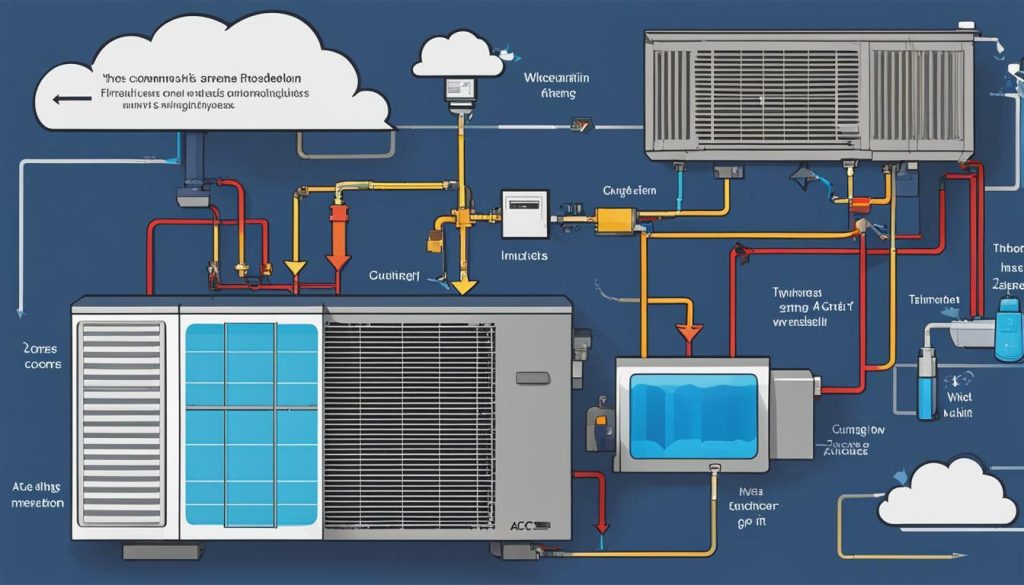
Understanding where the refrigerant is circulating in your air conditioner is essential. You should look closely at the refrigerant lines for any signs of leaks, or unusual bulges and discolorations. Leaking refrigerant is a significant cause of malfunctioning ACs, and a visual inspection will help you determine the potential source.
Evaluating the Compressor
The compressor is the heart of your AC unit. Unusual sounds or complete silence when trying to start the compressor might suggest a problem with its functionality. Listen carefully for any unusual sounds or complete lack of operation when the AC is turned on. Be mindful when conducting these checks.
Examining the Fan
The fan in an AC unit is responsible for distributing the cooled air. If the fan isn’t working correctly, the air won’t circulate properly, leading to inconsistent cooling. Pay attention to any grinding or unusual noises that suggest the fan may be damaged. A faulty fan can be a major contributor to uneven cooling or no cooling at all.
Applying Effective Solutions
Addressing Refrigerant Leaks
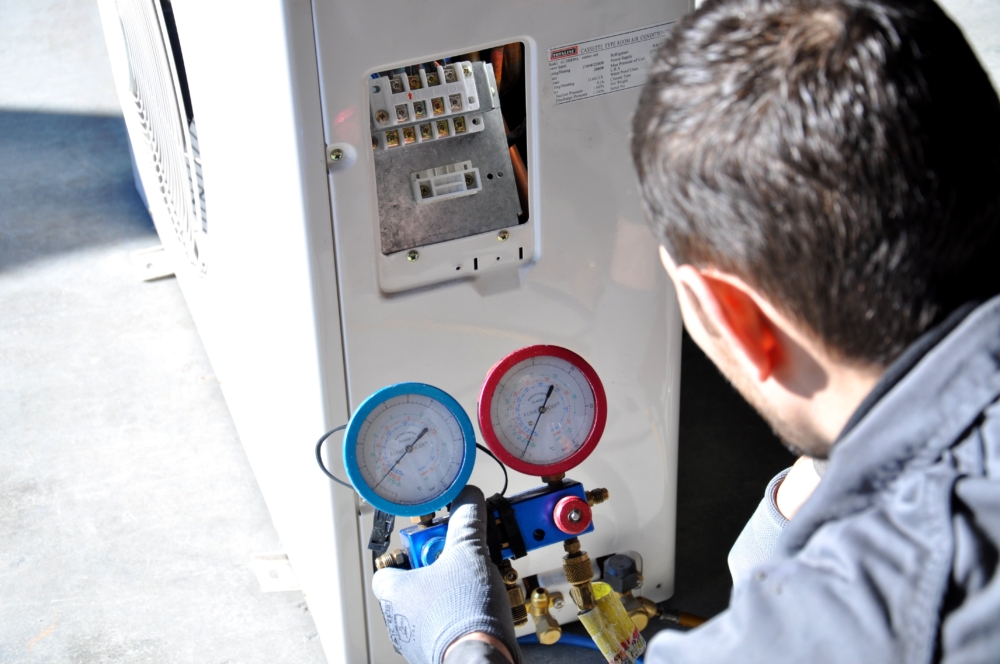
If a refrigerant leak is suspected, it’s crucial to address this issue promptly. Minor leaks may require you to add more refrigerant but major issues will necessitate professional intervention. determineing the source of the leak through careful examination may be required and should not be ignored.
Repairing Compressor Issues
If there’s an issue with the compressor, your solution will likely involve professional assistance to check the electrical connections and circuitry for any faults or damage. This is a difficult, technical procedure and should ideally be left to a trained professional.
Fixing Fan Problems
Fan problems can sometimes be fixed with basic maintenance procedures, but if the issue persists, it’s essential to assess the fan assembly. The fan assembly often requires professional help due to technical complexity.
Taking Preventive Measures
Regular Maintenance Schedule
Regular maintenance is crucial for preventing air conditioner breakdowns. Following a proper maintenance schedule is essential for proactive measures and long-term reliability. This can include cleaning the air filters, checking the refrigerant levels, and lubricating the motor, which prevents breakdowns during critical situations.
Routine Inspections
Inspecting the AC unit regularly can detect potential problems early on. Look for signs of damage or wear and tear. These checks are particularly essential during changing weather patterns.
Optimizing Placement and Environment
Ensure the air conditioner is properly placed and installed according to manufacturer instructions. Ensure adequate space is available for proper ventilation and avoid placing the unit in direct sunlight, and ensure the AC is not in contact with other elements which could damage it.
Safety Precautions
Electrical Safety
When working with electrical components, always prioritize safety. Ensure the power is turned off before handling any electrical parts. Electrical shocks can be fatal, so safety precautions are paramount.
Physical Safety
When conducting checks or maintenance, be mindful of potential physical hazards such as tripping or falling. Wear appropriate protective gear such as gloves, and safety glasses. Working safely is crucial for preventing accidents.
Troubleshooting a broken air conditioner on a scorching hot day can be a frustrating experience. However, with a systematic approach and the right knowledge, you can often resolve the issue yourself. Remember, if the problem persists or you feel uncomfortable working with electrical components, it’s always optimal to contact a qualified technician. This thorough guide will equip you with the tools and insights necessary to tackle this common problem head-on. Don’t let a malfunctioning AC unit disrupt your comfort—get back to a cool and comfortable home, today!