
Are your appliances using too much energy? High energy consumption from appliances can significantly impact your electricity bill and contribute to a larger carbon footprint. This thorough guide will delve into the crucial facets of determineing energy-hungry appliances, providing practical steps to reduce your energy application, and offering smart solutions to maximize your home energy efficiency. We’ll explore ways to evaluate appliance energy consumption, pinpoint power hogs, and implement energy-saving strategies. This guide will cover techniques for improving home energy efficiency, allowing you to cut down on costs and your environmental impact. We’ll cover methods from simple checks to advanced solutions to effectively reduce your energy consumption from appliances.
Understanding Appliance Energy Consumption
Calculating Energy application
Understanding appliance energy consumption is the first step toward effective energy management. Energy consumption of appliances is typically measured in kilowatt-hours (kWh). This measurement reflects the total energy used by the appliance over a period, commonly a month. Various factors can influence appliance energy consumption, such as the appliance’s specifications, application frequency, and even the ambient temperature. Energy-efficient appliances, on the other hand, use less energy to perform the same function.
Factors Affecting Energy Consumption
Several factors can influence the amount of energy an appliance consumes. These include the appliance’s wattage (a measure of power consumption), the duration of use, and the quality of the appliance’s insulation or components. For example, an older refrigerator might use more energy than a newer, energy-efficient model, even if used for the same duration. Consider the efficiency rating of the appliance; this is often indicated by labels and ratings, which is an crucial factor to consider. These factors combined determine the overall energy expenditure. Using energy-efficient appliances can drastically reduce your consumption.
determineing Power Hogs
Related Post : Electric Bills Keep Rising? Hidden Home Issues You Might Be Missing
Common Power-Hungry Appliances
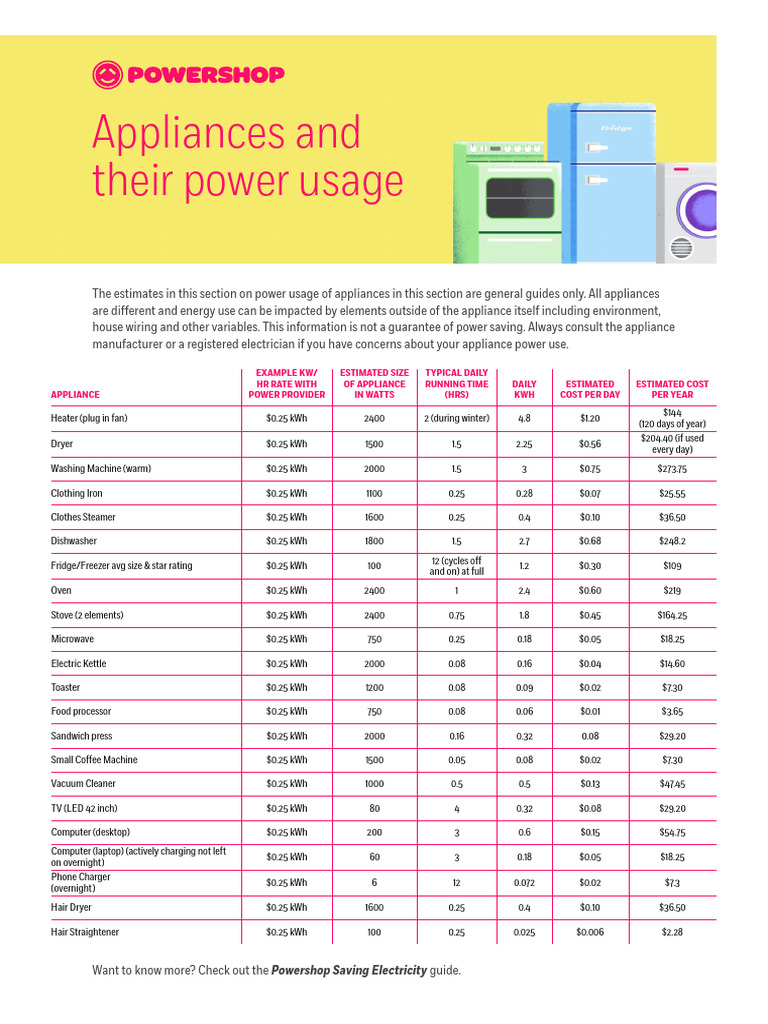
Some appliances are notorious for consuming significant amounts of energy. These power hogs typically include large refrigerators and complimentaryzers, ovens, and washing machines. They often have higher wattage ratings or require more electricity due to factors such as large capacity and continuous operations. Regularly checking appliance energy consumption reports will help you track application patterns over time, determineing anomalies and potential issues.
Diagnosing High Energy Use
determineing high energy consumption often begins with simple observations. Look closely at your electricity bills and see if there are patterns or significant spikes in energy application. Compare energy consumption amounts between similar appliances to pinpoint potential issues. Consider running specific appliances to check their consumption by yourself. Analyze how often and for how long these appliances are used. Consider conducting a home energy audit to pinpoint specific power hogs. This can be a great starting point.
Smart Solutions for Energy Savings
Energy-Efficient Appliances
Investing in energy-efficient appliances is a significant step toward reducing energy consumption. Look for appliances with high Energy Star ratings, which indicate that the appliance meets energy efficiency standards set by the government or other certifying organizations. Using energy-efficient appliances is one of the most effective ways to reduce consumption.
Smart Home Technologies
Employing smart home technology can offer significant energy savings. Smart thermostats and power strips can automate adjustments to energy consumption. These technologies can help you reduce energy consumption even further. For example, smart power strips can cut off power to appliances when they’re not in use.
Monitoring and Maintenance
Regular Inspections
Regularly inspecting your appliances is a simple, yet crucial, step in managing energy consumption. Look for any signs of damage or wear that could affect energy efficiency, like loose connections or damaged insulation. Replace worn-out parts or components. Maintaining your appliances in good working order can reduce energy consumption. These small steps can add up to considerable savings over time.
Appliance application Patterns
Understanding appliance application patterns can determine areas for improvement. Analyze how often and for how long certain appliances are used. Minimizing idle time and using appliances efficiently can dramatically reduce energy waste. For example, consider running your dishwasher only when it is full.
Case Studies and Statistics
Reducing Consumption
A study by the Department of Energy found that replacing older refrigerators with energy-efficient models can reduce energy consumption by up to 30%. This demonstrates the significant impact that replacing inefficient appliances can have on home energy consumption.
Energy Savings
In addition, utilizing smart home technologies can lead to substantial savings. For instance, a smart thermostat can adjust temperatures based on occupancy patterns and ambient conditions, reducing wasted energy.
In conclusion, determineing appliances using too much energy is crucial for saving money and reducing your environmental footprint. By understanding energy consumption patterns, utilizing smart home technologies, and regularly inspecting your appliances, you can significantly reduce your energy bills and contribute to a greener future. For further assistance, consider contacting a qualified electrician or energy consultant. Don’t forget to regularly check your appliance energy consumption reports! Appliances using too much energy can quickly add up to a substantial amount on your electricity bill.