Lock jamming frequently plagues homeowners and businesses alike, leading to frustration and security concerns. This thorough guide delves into the common causes of lock jamming, focusing on the troublesome facet of alignment issues. Understanding the root causes of these issues is crucial for effective troubleshooting, ensuring your lock system functions optimally. We will determine the key problems, explain why they occur, and present practical solutions to prevent future jamming. This article will thoroughly cover crucial alignment facets for cylinder locks and more, guiding you through a step-by-step approach to resolving lock alignment problems. We’ll explore effective lubrication techniques, detailed visual inspection procedures, and potential component replacements to address common alignment problems. By the end of this article, you will have a deep understanding of lock jamming and the tools to resolve it.
Understanding the Fundamentals of Lock Alignment
Basic Lock Mechanics
Understanding the mechanics of a lock system is essential to grasping how alignment plays a critical function in its functionality. A lock’s mechanism relies on precise alignment between components, such as the key cylinder, locking bolt, and lock body. Improper alignment can disrupt the keyway alignment. Small misalignments can lead to significant lock jamming issues, highlighting the importance of regular maintenance and thorough inspection.
Common Causes of Alignment Problems
Several factors can contribute to alignment problems in locks. Damage from misuse or impact is a significant contributor. External forces, like harsh weather conditions or excessive use, can gradually displace internal components, leading to misalignment and subsequent jamming. Incorrect installation or improper handling during repairs or replacements are key contributors as well. Furthermore, worn parts, improper lubrication, and environmental factors like moisture and dust can exacerbate lock alignment issues over time.
determineing and Diagnosing Alignment Issues
Visual Inspection Techniques
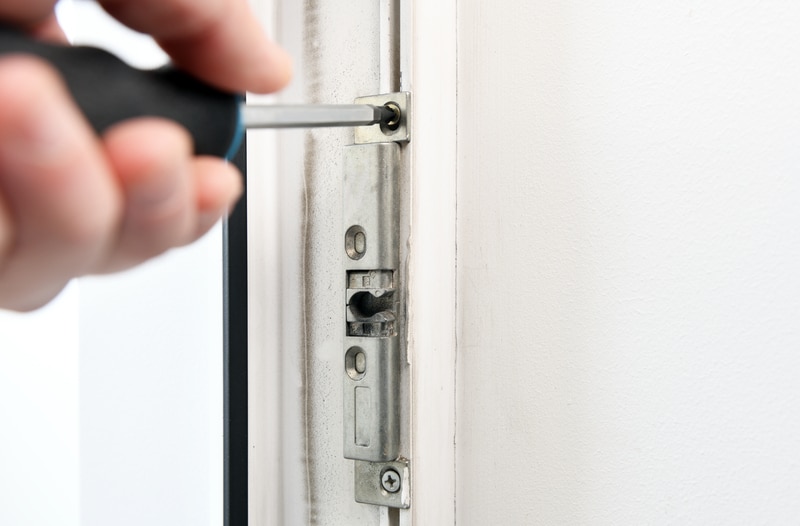
Careful visual inspection is often the first step in diagnosing lock alignment issues. Look for any visible misalignments in the keyway, the cylinder, or the surrounding hardware. Signs might include damaged keyways, bent lock pins, or loose screws. Observe the lock’s functionality while rotating the key; any resistance or unusual noises could indicate alignment issues. Ensure that there are no gaps in any part of the lock mechanism. Inspect the lock’s internal components, checking for any visible debris or foreign objects that may affect alignment. A well-lit workspace is crucial for this process.
Using a Lock Alignment Tool
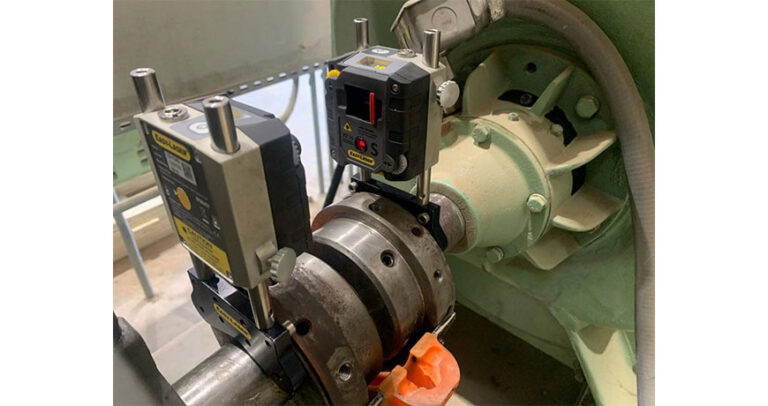
Advanced lock troubleshooting might necessitate using specialized lock alignment tools, allowing for precise adjustments. Use specialized gauges for precise measurements to detect minor misalignments. A lock alignment tool assists in determineing subtle deviations that are otherwise hard to detect visually, ensuring that the necessary adjustments are made to the mechanism and not just the surrounding hardware.
Related Post : Front Door Not Closing Flush? Causes and How to Realign It
Addressing Alignment Issues Through Repair and Maintenance
Lubrication Techniques
Proper lubrication is a critical maintenance step in preventing lock jamming. Applying a consistent lubricant to the lock components, such as the lock cylinder and keyway, can reduce friction and improve alignment. select a quality lubricant specifically designed for locks, ensuring its compatibility with the lock mechanism. Excessive lubrication can also cause issues, so follow the instructions closely. Too little lubrication can outcome in sticking and friction while too much can attract dust and debris.
Component Replacement
In some cases, damaged or worn components might be the cause of lock jamming. determineing worn parts is crucial for determining the extent of the damage and deciding whether replacement is necessary. When replacing components, follow the manufacturer’s instructions carefully to ensure proper alignment and functionality. Seek professional locksmith services if you are unfamiliar with lock repair procedures.
Professional Lock Repair
In situations where the alignment issues are complex, or if you are unsure about the repair process, seek professional assistance from a certified locksmith. Professionals have the expertise and specialized tools to diagnose and rectify complex lock alignment issues effectively. Professional services can help ensure the lock is repaired and maintained according to optimal practices.
Case Studies: Investigating Lock Jamming Situations
Case Study 1: Frequent Jamming in the Office
A client reported consistent lock jamming issues in their office building entryway. An examination revealed misaligned cylinder components and signs of misuse. The issue was resolved by professional lubrication, carefully inspecting the keyway, and replacement of the damaged pins. These improvements led to a significant reduction in lock jamming incidents.
Case Study 2: Residential Lock Jamming Issues
A homeowner reported frequent lock jamming in their home. A thorough inspection showed a combination of misaligned lock pins and the presence of foreign materials within the cylinder. Proper lubrication and a thorough cleaning resolved the lock jamming issues.
Preventing Future Alignment Issues
Regular Maintenance
Regular maintenance is critical for preventing lock jamming. Consistent visual inspections, lubrication, and thorough cleaning routines will help maintain the alignment of your lock mechanisms. This proactive approach to lock care extends lock functionality and life expectancy.
Appropriate Use of Locks
Ensuring correct use and handling of your locks also plays an crucial function in their maintenance. Prevent excessive force, misuse, and avoid dropping or striking the lock mechanism.
Understanding Lock Types
varied lock types have specific maintenance requirements. Understanding the design of your lock and adhering to maintenance instructions is crucial to prevent future lock jamming.
In conclusion, lock jamming frequently stems from various alignment issues, often overlooked. By understanding the root causes and implementing effective troubleshooting methods, like careful inspection and proper lubrication, you can significantly reduce the occurrence of lock jamming issues. This article offerd a thorough guide to determineing and resolving common lock alignment problems. Remember to always consult a professional locksmith if you encounter persistent problems. A well-maintained and properly aligned lock system contributes to enhanced security and prevents frustrating lock jamming issues.