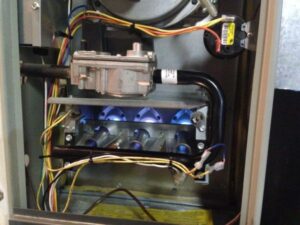

Solutions for a Constantly Running Furnace That Won’t Shut Off
A constantly running furnace can be a frustrating and potentially costly issue. This problem leads to unnecessary energy consumption, boostd utility bills, and, in extreme cases, damage to the furnace itself. This thorough guide will delve into the common reasons behind a furnace that won’t turn off, providing detailed troubleshooting steps and potential solutions. We’ll start by determineing potential causes, then move through effective diagnostic approaches, and finally offer expert recommendations to resolve the problem. We’ll cover everything from simple pilot light adjustments to complex system malfunctions.
determineing Potential Causes of a Constantly Running Furnace
Pilot Light Issues
Often, a simple pilot light adjustment can resolve the issue of a continually running furnace. A pilot light that’s too low or flickering may not ignite the burner properly, leading to continuous operation. Checking the pilot light’s flame is the first step, ensuring it’s correctly positioned. A pilot light that’s not lit or that is weak can prevent the furnace from shutting down.
Thermostat Malfunction
The thermostat is a crucial component in regulating furnace operation. If the thermostat is malfunctioning, it might be sending incorrect signals to the furnace, causing it to run continuously. A faulty thermostat may be triggering the furnace to cycle repeatedly or not signaling a proper temperature reading.
Related Post : How to Fix Uneven Room Temperatures Without Replacing Your HVAC System
Control Board Malfunction
The control board is the central processing unit of the furnace system. A damaged or malfunctioning control board can disrupt the communication process between various components, potentially causing continuous operation. A faulty control board often requires specialized diagnostics and replacement by a professional technician.
Diagnostic Approaches to Determine the Source
Inspecting the Pilot Light
Properly inspecting the pilot light is essential. Ensure the pilot light is lit and stable; a flickering or unstable flame can prevent the system from shutting down correctly. If the pilot light has problems, replace it. Confirm its alignment with the burner as well.
Checking the Thermostat
Verify the thermostat’s proper installation. Ensure the thermostat’s settings match your desired temperature and that no wires have come loose. Make sure the thermostat is receiving power by checking the wiring connections. If necessary, replace the thermostat with a new one.
Repair Solutions for varied Issues
Adjusting the Pilot Light
The pilot light adjustment is a fundamental step to fix a furnace that doesn’t shut down. Refer to your furnace’s manual for specific instructions. Misalignment of the pilot light can be the sole cause of a perpetually running furnace. Proper pilot light adjustment is frequently needed to make sure the flame stays lit and the furnace cycles off properly.
Replacing the Thermostat
Replacing the thermostat is a straightforward solution if it’s the problem. Confirm your thermostat’s compatibility with your furnace system. Ensure the new thermostat matches the specific model of your furnace and is installed correctly. A replacement often brings long-lasting solutions to the problem.
Repairing or Replacing the Control Board
Repairing or replacing the control board involves advanced electrical work and should only be undertaken by qualified HVAC technicians. This procedure could involve intricate electrical connections and system modifications.
Checking for Other Possible Causes
There may be additional problems such as faulty wiring, damaged components, or loose connections that need attention. It’s crucial to determine if the system receives proper signals or if components are functioning correctly.
Additional Troubleshooting Tips
Checking the Electrical Connections
Ensure all electrical connections within the furnace are tight and secure. Loose connections can cause inconsistent operation and problems with continuous running. Confirm that all wires are properly connected and that any loose connections are repaired.
Examining the Airflow
Ensure that the furnace has sufficient airflow. Blockages or obstructions within the ventilation system can hinder proper operation. Regular maintenance should include checking for any blockages in the airflow path to make sure that it is working efficiently.
Contacting a Qualified Technician
When facing persistent problems, seeking professional help is crucial. HVAC technicians can offer expert assistance in diagnosing and resolving furnace issues. They can determine complex problems and give the proper fix needed.
Preventing Future Problems
Regular Maintenance
Performing regular furnace maintenance can significantly reduce the risk of malfunctions and continuous operation. Scheduled maintenance includes cleaning, inspecting, and ensuring all components are functioning correctly. Preventative maintenance is an effective way to keep your furnace running smoothly, potentially preventing issues from developing in the first place.
Understanding Your Furnace
Thoroughly understanding your furnace’s operating mechanisms can help you detect issues early. Studying your furnace’s manual gives insights into its functionality, potential problems, and how to resolve them. Detailed knowledge of the furnace’s internal components will be helpful during future troubleshooting situations.
In conclusion, troubleshooting a constantly running furnace that refuses to shut off requires a systematic approach. Understanding the potential causes, from simple pilot light adjustments to more complex issues like faulty sensors or control boards, is crucial. This thorough guide offerd actionable steps to diagnose and resolve the problem. Always prioritize safety and seek professional assistance when needed, as electrical and mechanical components can be hazardous if not handled correctly. If you’re still facing problems, don’t hesitate to contact a qualified HVAC technician for professional assessment and repair. Their expertise can prevent further damage and ensure your furnace functions safely and efficiently. Now you’re equipped to tackle furnace malfunctions with confidence.