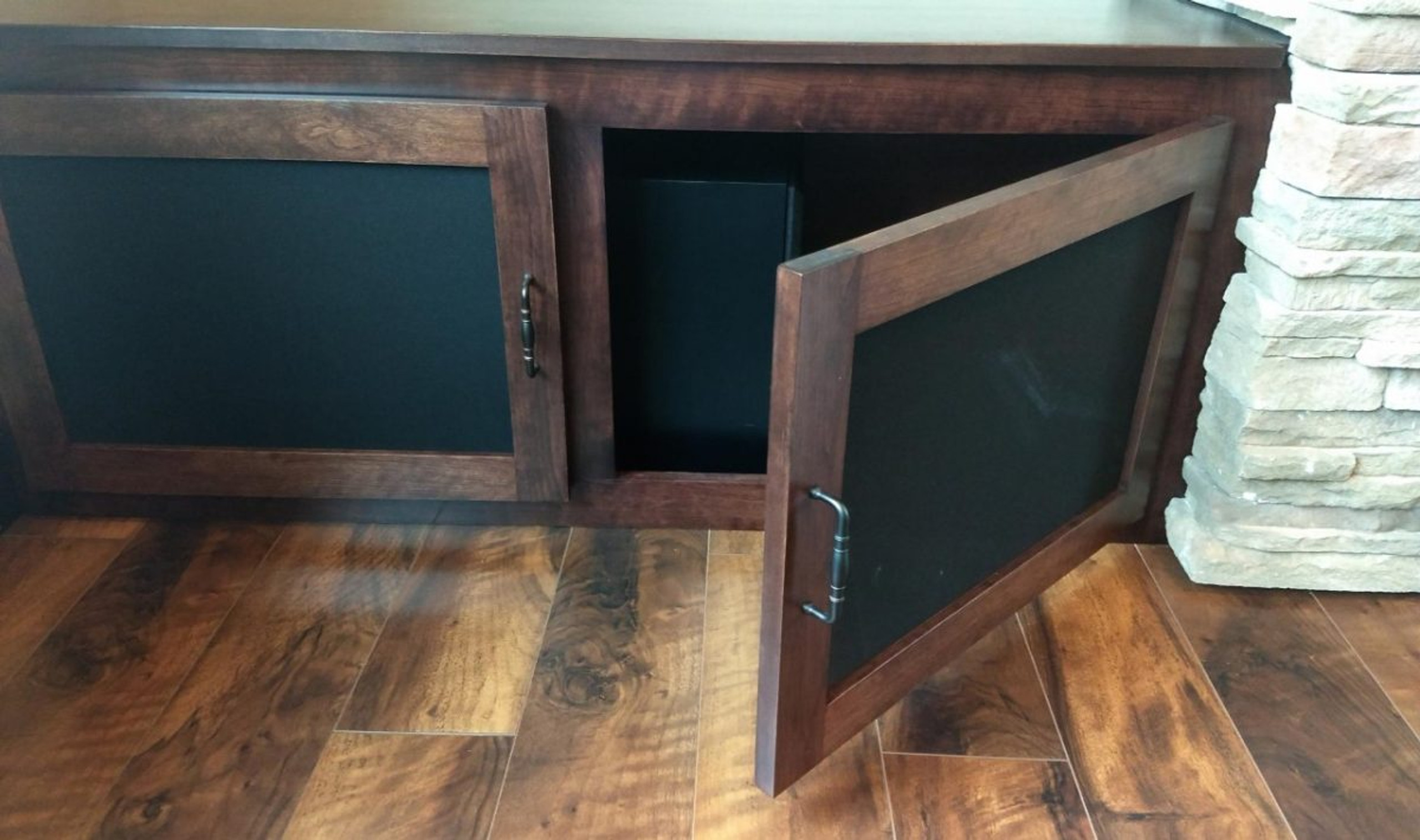
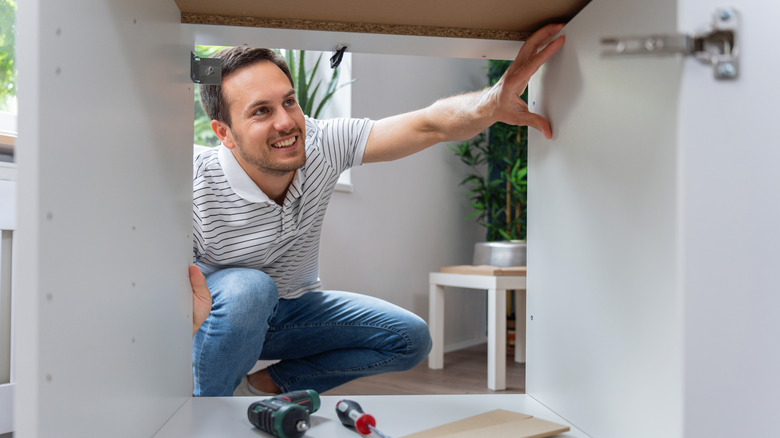
Cabinet doors not closing evenly can be a frustrating problem, disrupting the flow of your kitchen, bathroom, or any other space with cabinets. This thorough guide will delve into the common causes and offer you with actionable solutions, ensuring that your cabinets are functioning as intended. We’ll explore everything from simple adjustments to more involved repairs, offering straightforward steps and easy-to-follow instructions. This guide covers various cabinet door types and offers specific solutions for each scenario. Whether you’re a seasoned DIY enthusiast or a beginner, you’ll gain valuable insights and practical tips for fixing uneven cabinet doors.
determineing the Root Cause of Uneven Cabinet Doors
Understanding the Importance of Even Cabinet Door Closure
Cabinet doors that don’t close evenly can lead to several issues. Beyond the aesthetic inconvenience, they can cause damage to the cabinet frame and potentially impair the functionality of other components, like drawers or shelves. Maintaining a consistent closing mechanism prevents wear and tear on your cabinets and extends their lifespan.
Common Causes of Cabinet Door Problems
Several factors can contribute to cabinet doors not closing properly. These often stem from issues with the hinges, the door itself, or the frame. For instance, worn-out or incorrectly installed hinges are frequent culprits. Loose screws can also lead to misaligned doors. Sometimes, the door itself might be warped or damaged, interfering with its proper alignment. Similarly, problems with the cabinet frame—such as improper installation or structural issues—can hinder even closure.
Detecting the Source of the Uneven Closure
To pinpoint the cause of the problem, carefully inspect the cabinet doors, hinges, and frame. Check for loose screws in the hinges, uneven gaps between the door and frame, or any signs of damage on the door itself. Inspect the cabinet for any signs of the frame being misaligned. Look for any significant gaps or differences in the spacing between the door and frame. Examine the door’s alignment and the hinges’ positioning to determine any inconsistencies. Knowing the source will determine the appropriate action required for repair or adjustment.
Adjusting the Cabinet Door Hinges
Understanding Hinge Types and function
Cabinet hinges are fundamental components that determine the door’s opening and closing mechanism. Various types of hinges, from overlay to inset, serve varied purposes and require specific adjustments. Knowing the hinge type helps determine the appropriate adjustment approach.
Diagnosing Loose or Misaligned Hinges
If the hinges are loose or misaligned, the cabinet doors might not close evenly. Check for loose screws that might be the culprit by gently jiggling the hinge to feel any looseness. This is where precise tightening is crucial to maintain the structural integrity of the hinge.
Adjusting Hinge Settings for Perfect Alignment
Many hinges have adjustable components that allow for fine-tuning. Consult your cabinet hinge’s instruction manual for precise adjustments. If you don’t have the manual, consult a pertinent online guide or a professional. Correctly adjusting the hinge ensures smooth movement. Be cautious when using tools, prioritizing safety procedures. Over-tightening can damage the hinge.
Realigining the Cabinet Door
Inspecting and Correcting Door Alignment
Uneven gaps between the door and frame indicate a potential alignment issue. Using a level, measure the gap on each side of the door. Even gaps usually indicate correct alignment.
Using Shims and Supporting Tools
If you find an imbalance in the door’s alignment, use shims or wood wedges to reposition the door. This approach helps correct any misalignments and ensures proper closure, but ensure the material used will not damage your cabinet.
Addressing Door Warpage or Damage
Inspect the cabinet door for any warping or damage. If it is damaged, replace the door to resolve the issue. If the problem stems from warpage, a professional cabinet maker might be needed for repair.
Repairing or Replacing the Frame
determineing Frame Issues and Damage
Sometimes, frame problems lead to issues with the door not closing correctly. Checking the frame for damage or improper installation is essential. Look for loose or separated parts, warped frame pieces, or cracks. Assess the extent of damage to determine the optimal course of action.
Correcting Frame Alignment Issues
Correct alignment is essential for proper closure. Correct alignment ensures the smooth functionality of the cabinet and offers a stable closure for the cabinet door.
Replacement Considerations and Professional Help
If frame issues are significant, replacing the cabinet door may be necessary. Professional help might be essential for complex repairs that require specialized tools and knowledge.
Maintaining Cabinet Doors for Long-Term Use
Regular Maintenance Schedule
Regular maintenance extends the life of your cabinet doors and ensures they remain functional. Creating a regular schedule for inspection and cleaning can help. Checking the screws, hinges, and other hardware is crucial.
Proper Cleaning Techniques
Proper cleaning techniques prevent issues like rust or other damage to the cabinets. Utilizing the right cleaning solutions and methods will guarantee that the cabinets are preserved in the optimal condition possible.
determineing and Addressing Early Warning Signs
Detecting early signs of potential problems can prevent them from escalating. Regular inspection allows you to determine and address issues before they worsen.
In conclusion, troubleshooting cabinet doors that won’t close evenly often boils down to a few key areas: hinges, door alignment, and the frame. Addressing these issues can save you time, effort, and potentially a costly repair. If you’re still having trouble, consider consulting a professional handyman or cabinet maker for expert advice. Remember to always prioritize safety when working with tools and hardware. Do you have any further cabinet repair querys? Let us know in the comments below!