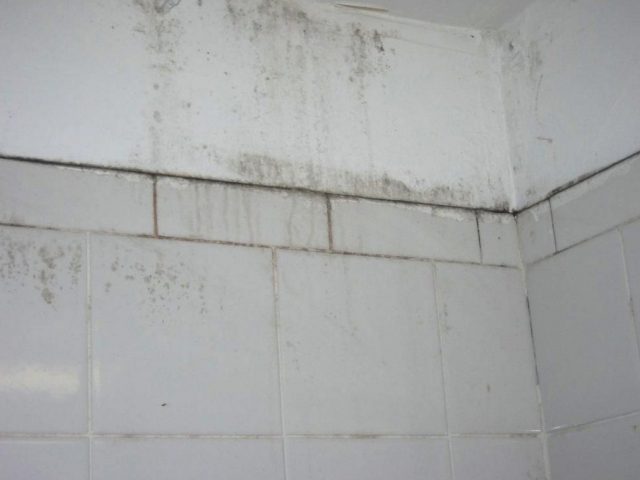
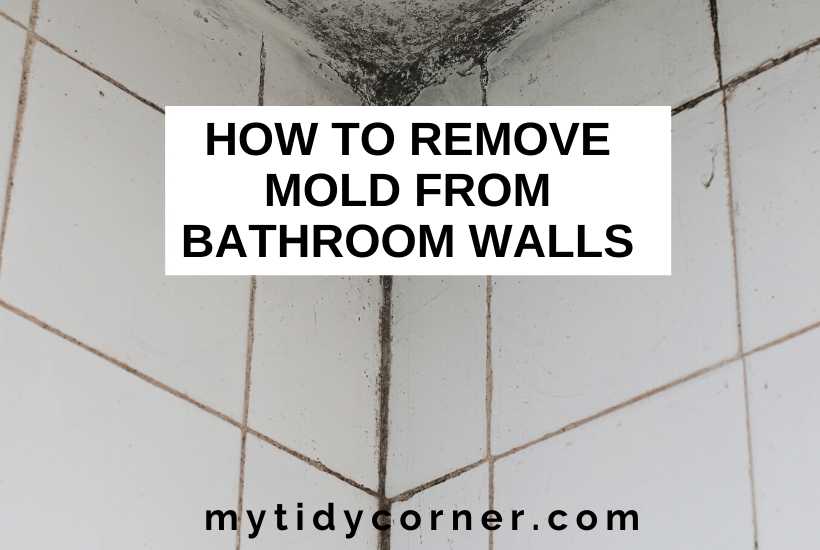
Mold growing on bathroom walls is a common problem that can impact both the aesthetic appeal and the health of your home. This thorough guide will walk you through the process of determineing, addressing, and eliminating mold in your bathroom, providing effective solutions to restore a healthy and beautiful environment. We’ll cover everything from understanding the underlying causes to implementing practical solutions and preventive measures. This guide will also address the difference between DIY approaches and the need for professional remediation. Understanding the root causes of mold growth will help you to prevent it from occurring in the future. The steps in this article will guide you through proper identification, effective removal and preventive measures for lasting outcomes. We’ll also discuss the importance of contacting a professional if necessary.
Understanding the Causes of Mold Growth
Mold thrives in environments with high levels of moisture. Bathrooms, with their constant use of water, are particularly susceptible. Several factors contribute to mold growth on bathroom walls. Understanding these causes is the first step towards effectively eliminating the problem.
Moisture Issues
Excessive humidity is a leading cause of bathroom mold growth. Lack of proper ventilation and inadequate water management contribute significantly to moisture buildup. Leaky pipes, shower doors that don’t seal properly, or condensation due to fluctuating temperatures can lead to moist surfaces.
Water Damage
Water damage can cause serious mold issues in a bathroom. Flooding due to a burst pipe, a faulty appliance, or even prolonged exposure to water from a leaky faucet can saturate building materials and offer the perfect breeding ground for mold.
Mold Types and Identification
varied mold types can affect your health in varied ways. Early detection is essential in stopping mold from growing and spreading. Understanding how to determine varied types of mold and their potential health implications will help you to make the right decisions.
Prevention and Mitigation Strategies
Preventive measures like installing exhaust fans in your bathroom can reduce humidity levels. Addressing any potential leaks promptly is key in preventing mold. Regular cleaning, focusing on damp areas, can also help maintain a moisture-complimentary environment and reduce the likelihood of mold growth.
Effective Mold Removal Techniques
Once you’ve identified the source of the problem, you need a plan for effective mold removal. DIY methods can be effective in many cases, but professional help may be necessary in severe instances.
DIY Mold Removal
For smaller infestations, DIY techniques can work. Always use protective gear, including gloves, a respirator, and eye protection, to safeguard your health when working with mold. Cleaning with a solution of bleach and water (1:10 ratio) can help remove visible mold, but always thoroughly dry the area afterward to prevent re-growth. Don’t try to remove excessive mold yourself if you’re not experienced.
Professional Mold Remediation
In cases of extensive mold growth or if you’re uncertain about the proper techniques, hiring a professional mold remediation service is often the optimal option. These professionals have the necessary training, equipment, and expertise to handle the problem effectively and safely. Professional remediation services are invaluable for large-scale or stubborn mold infestations. Always contact an expert if your mold issue is large or you’re unsure how to handle it safely. They have the experience and equipment to deal with a wider variety of mold types and will minimize the chances of it spreading.
Preventing Recurrence
Establishing long-term strategies is key to preventing further mold growth. Addressing moisture sources and maintaining ventilation are crucial steps. Always keep the bathroom well-ventilated and address any moisture issues promptly.
Related Post : Shower Water Pressure Suddenly Dropped? Here’s What Might Be Wrong
Preventing Future Mold Growth
Consistent preventive measures are key to keeping your bathroom mold-complimentary. By taking proactive steps, you can significantly reduce the risk of future mold growth.
Proper Ventilation
Ensuring adequate ventilation in the bathroom is essential for preventing humidity buildup. A functioning exhaust fan can remove moisture from the air, reducing condensation and preventing mold growth.
Maintaining Moisture Control
Addressing water leaks and moisture problems is crucial in preventing mold. Regularly inspect pipes and fixtures for leaks, and address any issues promptly.
Cleaning Habits
Maintaining a clean and dry environment within the bathroom is paramount. Regular cleaning of damp surfaces, paying special attention to areas prone to moisture buildup, will greatly reduce mold’s chance to grow.
Choosing Mold-Resistant Materials
When renovating or remodeling your bathroom, consider using mold-resistant materials. Some materials are naturally resistant to mold growth. These choices will give you added peace of mind in preventing mold.
Understanding Health Implications of Mold
Mold can have various health implications, making prevention and remediation crucial. Understanding these potential risks is crucial in ensuring a healthy living space.
Allergic Reactions and Asthma
Mold exposure can trigger allergic reactions in susceptible individuals. Symptoms include sneezing, runny nose, and skin irritation. Long-term exposure can exacerbate asthma symptoms. Understanding these potential risks is crucial.
Respiratory Problems
Mold spores can irritate the respiratory system, causing coughing, wheezing, and difficulty breathing. This can be particularly problematic for individuals with pre-existing respiratory conditions.
Other Health Issues
Certain mold types can produce toxins that affect various bodily functions. Prolonged exposure to high levels of mold can potentially lead to a number of health problems. Understanding the importance of proper ventilation and moisture control in mitigating these risks is crucial.
Diagnosing the Extent of Mold Growth
Proper diagnosis is key to determining the extent of the issue and the optimal course of action. This will help ensure that you’re taking the right steps to eliminate the mold.
Visual Inspection
Regular visual inspection of bathroom walls, ceilings, and other areas prone to moisture is essential. Look for discoloration, water stains, or any unusual growth. Be mindful that not all mold is visible.
Moisture Testing
Employing moisture detection tools can help determine areas with excessive moisture, which are prime breeding grounds for mold. Use of these tools will indicate the presence of moisture and pinpoint the problem areas.
Professional Mold Testing
If you’re unsure about the extent of the problem, consult a professional mold testing service. They can offer a precise assessment of the situation and recommend the appropriate remediation steps.
In conclusion, tackling mold growth in your bathroom requires a multi-faceted approach. determineing the source, addressing moisture issues, and implementing effective cleaning methods are crucial steps. By following the steps outlined in this guide, you can eliminate mold, maintain a healthy environment, and prevent future recurrences. For immediate assistance or if the problem persists, consider contacting a professional mold remediation specialist. They can offer expert guidance and ensure a thorough solution tailored to your specific situation.