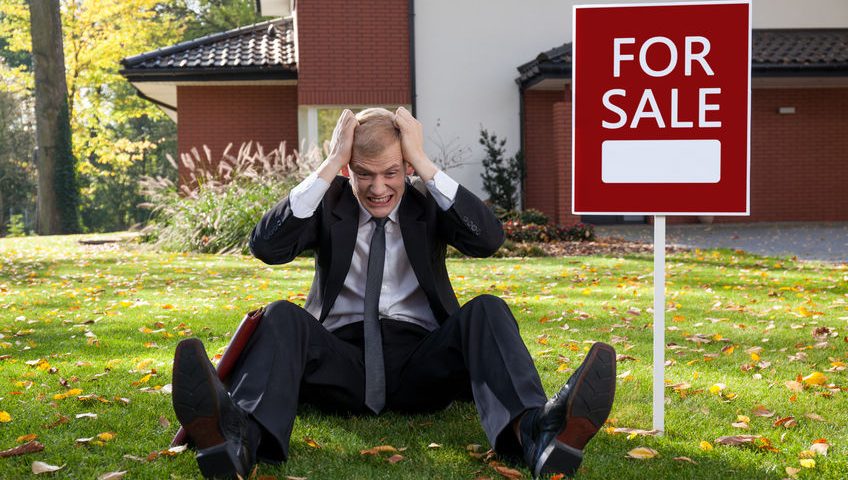

A home not selling after months on the market can be incredibly frustrating and discouraging for sellers. This often stems from several critical factors that hinder its appeal to potential buyers. This comprehensive guide delves into the common issues, offering actionable solutions to address them and get your property moving. We will discuss pricing strategies, effective marketing methods, and essential home presentation techniques to boost your home’s appeal and increase your chances of a swift and successful sale. We’ll also look at how market conditions influence sales and what you can do to counter negative trends.
Pricing Strategies for a Successful Sale
Understanding the Market Value
Determining a competitive price is crucial to a quick sale. A professionally conducted market analysis is vital in understanding comparable sales in the area. Conducting research on similar properties—consider size, features, location, and recent sale prices—allows you to establish a realistic and attractive selling price.
Analyzing Comparable Sales
Consider recently sold homes in the same neighborhood with similar features to your property. Factors like square footage, number of bedrooms and bathrooms, and any unique upgrades should all be taken into account. Compare the asking prices and final sale prices for an accurate price range, factoring in any differences in conditions or staging. Professional real estate agents can provide comprehensive analysis of comparable sales.
Fine-Tuning Your Pricing
After thorough research, use your findings to adjust your pricing based on the analysis of comparable sales data. Slight adjustments that might seem negligible to the homeowner can drastically improve a home’s appeal and marketability. Be realistic and consider offering a small discount to attract buyers or entice negotiations. A keen eye on the market can help you refine your pricing strategy.
Negotiating Strategies
Understanding different negotiation tactics can help you land the sale faster. Engage in discussions with potential buyers, being receptive to reasonable offers and exploring potential concessions. Negotiating effectively can expedite the sales process. Consult with a real estate agent, who can guide you through the negotiations and provide insights on appropriate pricing adjustments in the current market.
Pricing Adjustments in a Slow Market
In a slower market, a more flexible approach to pricing may be necessary. Carefully consider the dynamics of the current market and its impact on your sales strategy. Professional assessment can help fine-tune your pricing to match market trends, optimizing the chance for successful sales.
Mastering Home Presentation and Staging
Creating an Appealing First Impression
The first impression of your home is crucial; potential buyers are likely to form an opinion quickly. Careful home staging and thoughtful presentation of your property will create a positive first impression on prospective buyers. A well-presented house is more likely to get offers and attract buyers in a competitive market. Use attractive furnishings to enhance the appeal of your property.
Optimizing Interior and Exterior Design
Declutter and de-personalize the home to create a neutral space that appeals to a broad range of buyers. Think about the aesthetic preferences of a diverse buyer base, and create a welcoming ambiance. Make the interior appealing, and ensure the exterior is well-maintained and aesthetically pleasing for potential buyers.
Effective Home Staging Strategies
Home staging experts can provide specific strategies to present a home in its best possible light. They will utilize techniques to showcase the space’s potential. Using neutral colors in the interior, for instance, can significantly boost appeal. Ensure that your home is clean, well-organized, and properly maintained to improve the presentation.
Maintaining Curb Appeal
Ensuring the home’s exterior is in excellent condition can affect sales. Trim bushes and trees, ensure the lawn is well-maintained, and repair any minor damages. An appealing exterior creates a strong first impression, encouraging potential buyers to explore the property. A clean and well-maintained exterior can make a significant impact.
Visual Appeal through Photography and Virtual Tours
Professional photography and high-quality virtual tours are crucial in attracting buyers. These tools offer an immersive look at your home, highlighting its best features. Professional photos and videos significantly boost the marketing efforts. These marketing components attract buyers, increasing visibility and encouraging viewings.
Effective Marketing Strategies for Your Home
Choosing the Right Real Estate Agent
Collaborating with an experienced real estate agent is paramount for successful marketing. A skilled agent can tailor a marketing strategy that aligns with your target audience and location. An agent will also know how to position your home to maximize its appeal in a competitive market.
Developing a Comprehensive Marketing Plan
Your marketing plan should showcase the unique characteristics of your home. Highlighting attractive features will increase interest in potential buyers. This will ensure that buyers and real estate investors are drawn to your home. The plan should cater to different channels, optimizing your reach.
Leveraging Digital Marketing
The digital realm plays a critical role in modern real estate. Creating a professional website for your property will ensure that information is easily accessible. Utilizing social media and online advertising effectively targets a wide audience. Engage potential buyers with digital marketing.
Utilizing Strategic Advertising
Combining different advertising strategies in your marketing plan can increase home visibility. Use online platforms for listing your property, and utilize relevant social media channels. Consider print advertising and local listings for a broader reach in the community.
Managing and Responding to Inquiries
Establish an efficient system for managing inquiries. Addressing potential buyers’ queries promptly is vital. Potential buyers may have questions about the home that need to be promptly answered. Respond promptly and professionally to inquiries to encourage potential buyers.
Addressing Potential Obstacles
Identifying Obvious Issues
Addressing obvious issues will boost buyer confidence and demonstrate value. Potential buyers notice flaws immediately. This is why addressing these quickly can make a significant difference in the sales process.
Handling Repairs or Upgrades
Promptly addressing any necessary repairs or upgrades can increase buyer interest. The condition of a property can significantly affect buyer interest. Be proactive and address potential issues before listing the property.
Handling Inspections Effectively
Be prepared for inspections. Addressing concerns promptly during the inspection process will demonstrate your commitment to transparency. This will increase the likelihood of a successful closing.
Dealing with Negotiation Challenges
Effectively managing negotiations and potential buyer concerns will lead to a faster sale. This often involves open communication and willingness to engage in compromises.
Working with Real Estate Attorneys
Working with legal professionals will ensure all legal requirements are fulfilled. Legal professionals can ensure all transactions and agreements are properly handled.
Staying Current with Market Conditions
Understanding Seasonal Variations
Seasonal variations in market demand play a role in home sales. Understanding how these fluctuations affect the market is vital for successful marketing.
Keeping Track of Local Trends
Staying informed about local trends is vital in real estate. Be aware of any shifts in demand. This will guide you in tailoring your marketing efforts.
Monitoring Economic Factors
Economic factors play a vital role in real estate. Understanding how economic trends influence market values is vital to adjusting pricing strategies.
Evaluating Current Market Conditions
Evaluate the current market conditions to see how they influence your marketing strategy. Be ready to adapt to changing market trends.
Remaining Informed about Market Changes
Stay abreast of market fluctuations and conditions. Staying informed is crucial to adjusting strategies and getting the best results.
Additional Tips and Strategies
Seeking Professional Guidance
Seek advice from experts in the real estate industry, such as real estate agents and home stagers, to obtain valuable insight. This can assist you in navigating the complexities of real estate, enabling more informed decisions.
Maintaining Open Communication
Engaging with Potential Buyers
Maintaining open communication with potential buyers is vital in the sales process. Addressing their concerns promptly and professionally can create a positive impression.
Adapting to Changing Market Demands
Monitoring Market Trends
Stay updated with current market trends to ensure your strategies are in sync with evolving demands.
Exploring Alternative Marketing Approaches
Diversifying Your Marketing Strategies
Exploring diverse marketing strategies, including social media, online platforms, or virtual tours, will broaden your reach and attract a wider pool of potential buyers. Explore different approaches to better understand the best strategies for your home and location.
In conclusion, a home not selling after months on the market often stems from a combination of factors impacting its appeal and marketability. By addressing these key issues—pricing, presentation, and effective marketing strategies—you significantly increase your chances of a successful sale. To further explore this, schedule a consultation with a real estate professional to get personalized advice tailored to your specific situation. They can provide valuable insights into pricing optimization and effective marketing strategies to ensure your home stands out in a competitive market. Contact us today for a free consultation!