Joists sagging under weight are a serious structural concern, potentially impacting the stability and safety of a building. Identifying the root causes of sagging and implementing appropriate repair strategies is vital for restoring structural integrity. This article explores the common causes of joist sagging, examines various structural repair methods, and provides insights into restoring strength and preventing future damage. We’ll cover a comprehensive range of solutions, from minor adjustments to substantial structural reinforcement. By understanding the underlying issues and utilizing effective repair techniques, you can safeguard your structure. This article will guide you through different approaches and strategies for assessing and rectifying the problem, ultimately leading to a stable and resilient building.
Understanding the Causes of Sagging Joists
Identifying the Root Causes
Sagging joists, a common structural problem, result from a variety of contributing factors. Excessive weight loading is often a primary culprit. Heavy appliances, improperly distributed weight, or sustained high loads over time can exceed the joist’s capacity, causing them to sag. Another key factor is structural damage, such as rot, pests, or moisture damage weakening the joists’ material integrity. Settlement or movement of the building foundation can also impact joists, putting uneven stress on the structure. Identifying the specific cause is crucial for an effective repair strategy. A professional structural assessment is crucial for accurate diagnosis.
Evaluating the Extent of the Sagging
Assessing the Severity of the Issue
Assessing the severity of sagging joists involves a thorough visual inspection. Careful observation of the sag’s degree and location can provide crucial insights into the problem’s extent. Significant sags might indicate structural instability, requiring immediate attention. Checking for cracks, visible damage, or warping is important. Professional measurements and load testing might be necessary in complex cases. Identifying the degree of sag is critical in determining the appropriate repair method, whether it involves minor adjustments or complete structural reinforcement.
Related Post : Deck Boards Splintering Over Time? How to Restore a Smooth Surface
Repairing Sagging Joists
Addressing the Sagging Issue
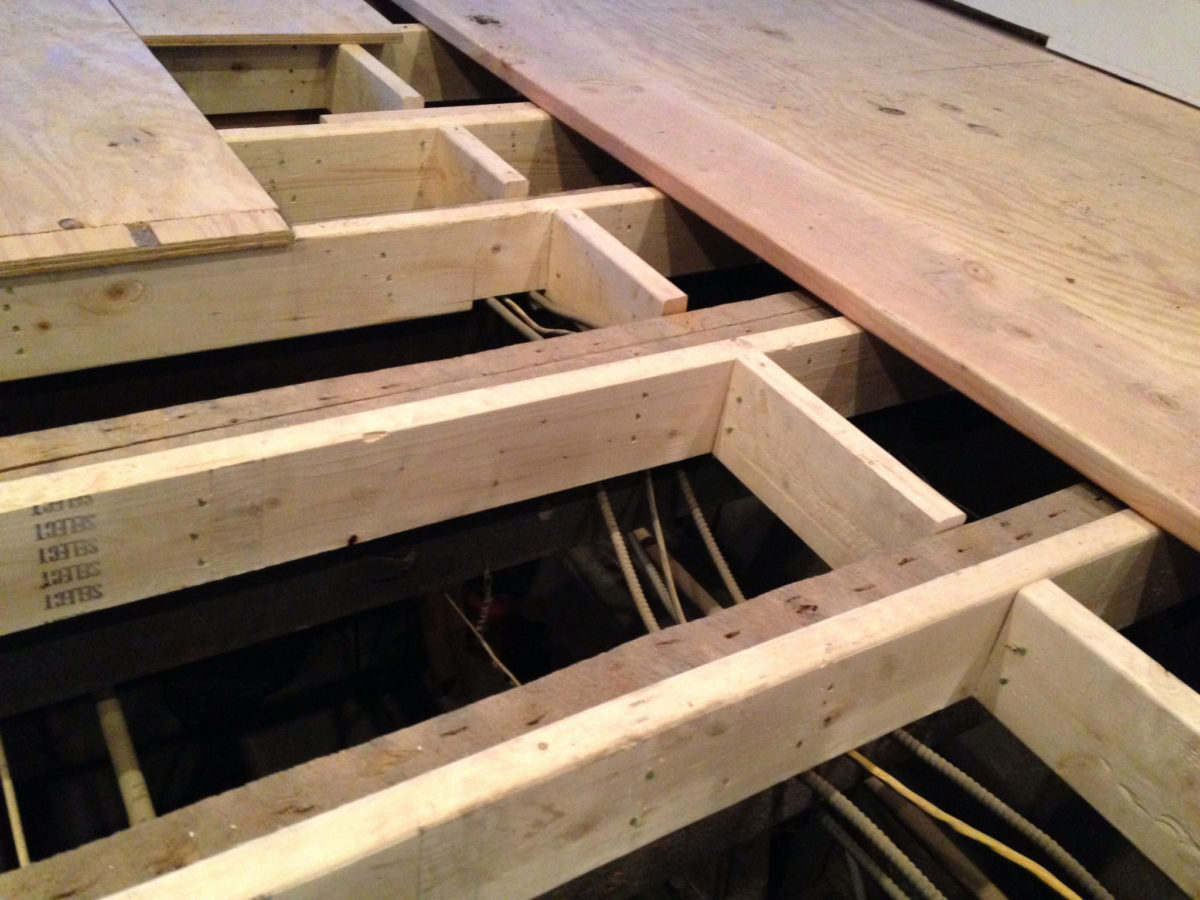
Several repair techniques address sagging joists, each tailored to the specific cause and severity. Minor sagging can often be resolved with simple methods like reinforcing the joists with additional support beams. For more substantial sagging, strengthening the foundation or supporting the joists with supplemental bracing may be necessary. In some instances, replacing damaged or rotted wood joists becomes necessary. Replacing supports and proper load distribution are also critical. Understanding the specific cause is essential to choose the optimal repair method.
Preventive Measures
Maintaining Structural Integrity
Prevention is key to avoiding future sagging joist issues. Proper load distribution and regular inspections are paramount to preserving the structural integrity of a building. Avoid overcrowding or overloading specific areas, ensuring balanced weight distribution. Routine inspections by qualified professionals can detect potential problems early, allowing for timely intervention and minimizing potential damage. Incorporating these preventative measures safeguards your investment and prevents costly repairs down the line.
Considerations for Different Joist Materials
Specialized Repair Techniques
Different joist materials require specific repair techniques. Wood joists, for example, may benefit from specialized treatments to address rot or pest damage. Concrete joists often require more substantial reinforcement techniques to counteract sagging. Consulting with a structural engineer is crucial to identify suitable techniques that respect the material’s properties and the desired structural integrity.
Case Studies of Successful Repairs
Illustrative Examples
Numerous case studies demonstrate successful repairs for sagging joists. In one instance, a commercial building experiencing sagging due to heavy equipment loading saw significant improvement after installing reinforced support beams. Another case involved a residential home with rotted wood joists, which was repaired with the replacement of damaged elements, leading to a strengthened and stable structure.
Conclusion
FAQ
FAQ (continued)
In conclusion, sagging joists pose a significant structural concern that can lead to compromised building integrity and safety. Understanding the causes, identifying the signs, and implementing appropriate repair methods are crucial steps in preventing further damage and restoring the strength of the structure. This article has provided comprehensive insights into the various repair strategies, ranging from minor adjustments to substantial structural reinforcement. By addressing the underlying issues and utilizing effective repair techniques, you can restore the integrity and longevity of your building. For personalized guidance or a free preliminary assessment, contact a qualified structural engineer or contractor for proper diagnosis and repair solutions. They can provide valuable insights into the specifics of your situation and recommend the most suitable repair methods. Do not attempt repairs yourself unless you possess adequate expertise in structural engineering.