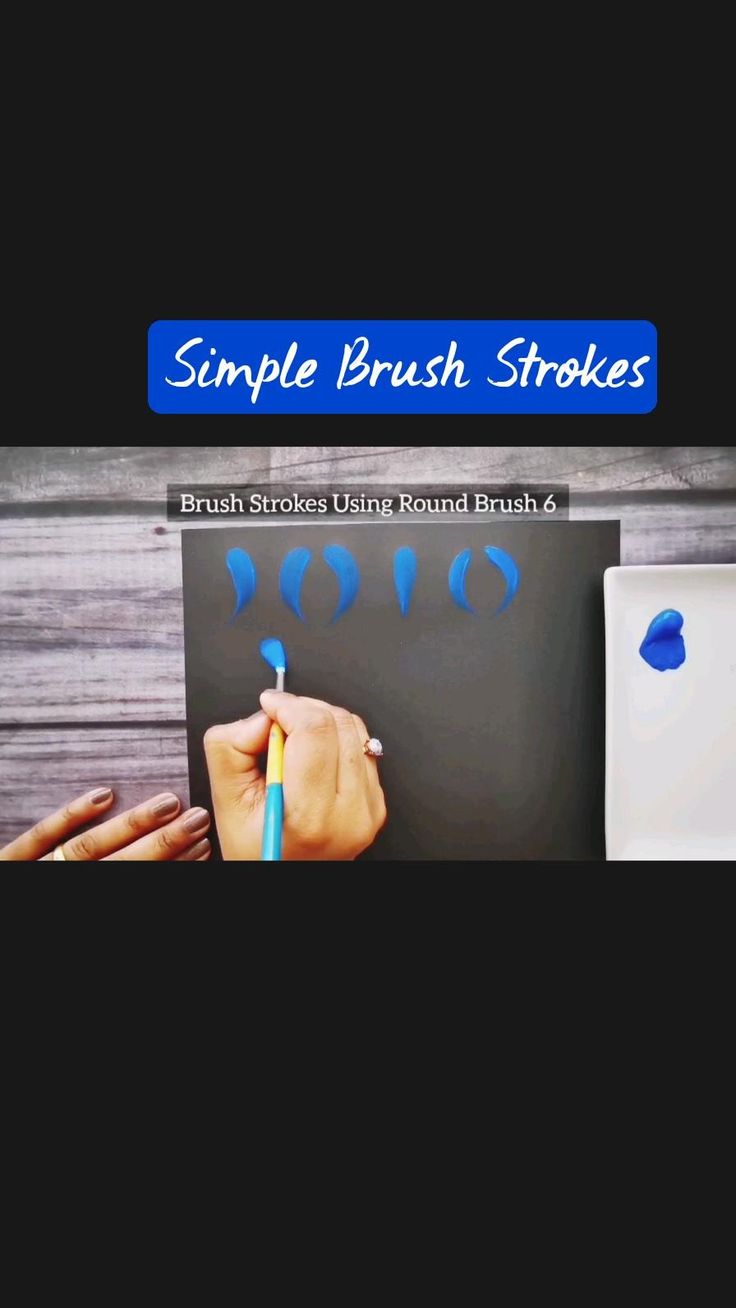

Brush strokes visible on flat surfaces are a captivating way to express texture and artistry. They can transform a seemingly simple surface into a canvas that tells a story. In this comprehensive guide, we’ll delve into the art of incorporating visible brushstrokes, exploring techniques to achieve a professional look that captivates viewers. We’ll tackle important factors from prepping the surface to strategically using light to bring out the best in your brushwork. This guide will provide you with a step-by-step framework, insightful tips, and real-world examples to ensure you master this exciting approach to visual storytelling.
Understanding the Fundamentals of Brush Stroke Visibility
Preparing the Surface
For achieving professional-looking brush strokes on flat surfaces, meticulous surface preparation is key. A smooth surface allows the brushstrokes to stand out more prominently. Uneven or textured surfaces can sometimes obscure or soften the impact of the brushwork. Techniques such as sanding and priming can create a more unified and receptive canvas. For example, a painting on a canvas with a noticeable texture, such as linen, needs a primer layer to create a uniform surface. Another example is a wooden surface. A smooth wooden surface requires less pre-work than a rough surface.
Choosing the Right Medium and Brushes
The medium you select significantly influences the appearance of your brushstrokes. Oils, acrylics, and watercolors all react differently to brushes and the way they are applied to a surface. Different mediums can create different effects. For example, oil paints tend to create softer, more blended brush strokes compared to acrylics, which can have sharper, more defined edges. Selecting the appropriate brush type is equally important. Consider the shape, size, and bristles of your brush when choosing which one to use. Round brushes are great for detailed work, whereas flat brushes can create broader, more impactful strokes. The brush type helps you to control the flow of paint and create the look you desire. For a painting on glass, consider using watercolors for their delicate and translucent quality.
Light Manipulation and Composition Techniques
The Impact of Lighting on Brush Strokes
Lighting plays a crucial role in highlighting the brush strokes. Strategic lighting can bring the strokes to life and emphasize their visual impact. Experiment with different light angles and intensities to achieve various effects. For example, use a side light or an overhead light to accentuate the brush marks. When creating a scene that mimics light, take into account the effects of light on a specific surface and color.
Enhancing Composition with Strategic Positioning
The placement of brush strokes can greatly impact the overall composition of the piece. Consider the balance, focal points, and overall visual flow. Strategically positioning strokes can create a sense of depth, leading the viewer’s eye around the painting. For example, use lighter brushstrokes to highlight specific areas and darker brushstrokes to create depth.
Related Post : Paint Bubbling on Walls After Application? What’s Causing the Problem
Creative Techniques for Enhancing the Look
Utilizing Layering and Blending
Layering and blending techniques allow for sophisticated control over the appearance of brushstrokes. Applying thin layers of paint gradually allows for more detailed blending and control of colors. Techniques like glazing and scumbling can create a softer, more ethereal look. Blending techniques can be used to merge tones, which can create realistic lighting effects. For example, a skilled artist can use multiple layers to create a soft blend of colors, which can add texture to the painting.
Employing Different Brush Strokes
Exploring various brushstroke techniques adds richness and dimension to your artwork. The technique that you choose can determine the style of your painting and the effect on the viewer. Explore different brushing techniques, such as stippling, hatching, or impasto techniques, each offering a unique visual result. For example, stippling techniques, which involve tiny dots, create a variety of textures. By using these varying techniques, you can create a dynamic painting.
Addressing Common Challenges
Overlapping Brushstrokes
Careful consideration of how your brushstrokes overlap is essential. This can create a cohesive and professional finish. To avoid a messy or uncontrolled appearance, ensure the brushstrokes blend and unify rather than appearing disparate. Overlapping should be intentional and well-planned. For example, layering thin glazes can create soft transitions, creating a subtle blend of colors.
Achieving a Consistent Aesthetic
Maintaining a consistent aesthetic across the entire painting is crucial for a professional look. Use color schemes that complement each other. Consider using a certain color scheme for the entire artwork, from the background to the foreground.
Real-World Examples
Studying Famous Paintings
Analyzing famous paintings featuring visible brushstrokes can provide invaluable insights. This includes studying how artists like Van Gogh or Rembrandt used brushstrokes to create texture and emotion. For example, Van Gogh’s use of thick, visible brushstrokes conveys emotion and energy. The techniques of Masters can be observed and their characteristics used as guidelines.
In conclusion, achieving a professional look with visible brush strokes on flat surfaces requires a thoughtful approach to technique, surface preparation, and lighting. Understanding the interplay of these elements allows for creative control over the final aesthetic. By meticulously considering these factors, you can confidently translate your artistic vision into a polished and compelling visual statement. Experiment with different techniques and find your personal style. Ready to explore brush stroke techniques? Visit our blog for more insightful articles and tutorials.